If you’ve ever emerged from a shave looking like you lost a fight with a cactus, you’re not alone. Many newcomers to wet shaving assume traditional shaving soap is just fancy lather—but misuse leads to razor burn, dryness, and wasted product. As someone who once used boiling water straight from the kettle (ouch!), I’ve learned that technique matters more than the brand. In this guide, we’ll explore essential traditional shaving soap user tips grounded in real-world experience, dermatological insight, and years of lathering trials.
Table of Contents
- Why Traditional Shaving Soap Matters
- Step-by-Step Guide to Using Shaving Soap
- Best Practices for Maximum Comfort
- Real Results from Consistent Use
- Frequently Asked Questions
Key Takeaways
- Water temperature is critical—too hot damages the soap’s glycerin base.
- A proper lather requires patience; 60 seconds minimum with a badger brush.
- Always prep skin with warm water and gentle exfoliation before lathering.
- Store your soap puck properly to extend its lifespan and maintain performance.
- Avoid scented soaps with synthetic fragrances if you have sensitive skin.
Why Traditional Shaving Soap Matters
Unlike canned foams packed with propellants and drying alcohols, traditional shaving soaps deliver a rich, protective barrier using natural ingredients like tallow, shea butter, or glycerin. According to the American Academy of Dermatology, “alcohol-based foams strip the skin’s natural oils, increasing irritation risk” (AAD, 2023). That’s why mastering traditional shaving soap user tips can transform your shave from abrasive to luxurious.

Step-by-Step Guide to Using Shaving Soap
Prep Your Skin and Tools
Start with a clean face. Splash warm (not hot) water for 30 seconds to open pores. Ensure your shaving brush is clean and damp—not dripping.
Load the Brush Correctly
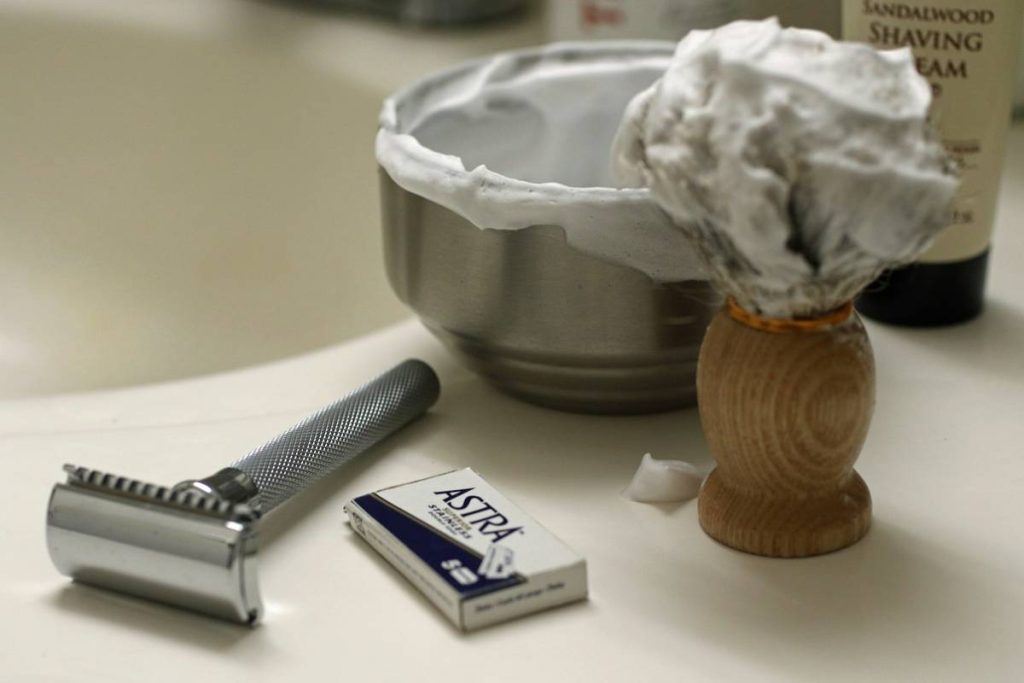
Swirl your damp brush on the soap puck for 30–45 seconds. If using a tub, add a few drops of water first. You’re aiming for a yogurt-like consistency—not runny, not pasty.
Build Lather Properly
Lather directly on your face or in a separate bowl. Spend at least 60 seconds working it up. This step activates the soap’s lubricating properties—a shortcut here causes poor blade glide.
Shave With the Grain First
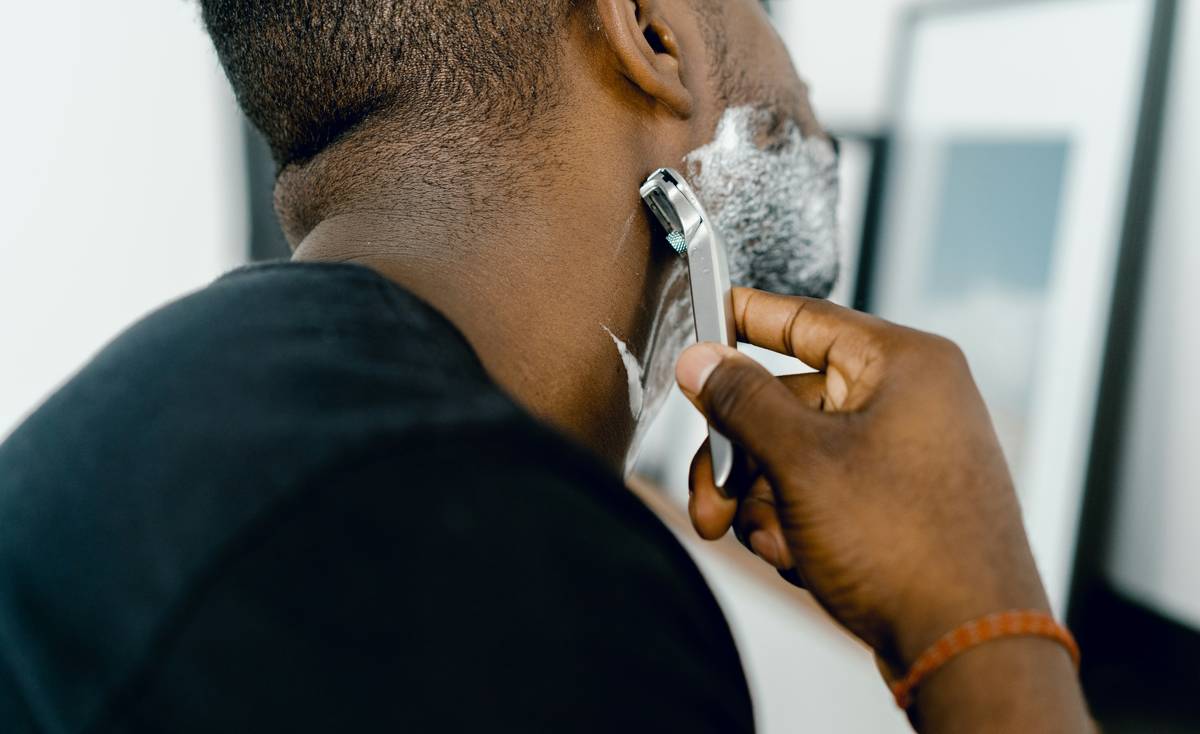
Apply lather evenly, then shave lightly with the grain. Re-lather only if needed for a second pass—never dry shave over soap residue.
Best Practices for Maximum Comfort
- Water temp check: Ideal range is 100–110°F (38–43°C). Boiling water melts tallow-based soaps, ruining their structure.
- Brush type matters: Badger hair retains water better than synthetic—critical for dense lather. We explain brush care in our About Us section.
- Dry storage: After use, let your soap air-dry completely. Store in a ventilated container—never sealed while wet.
- Avoid “terrible tip” territory: Don’t microwave your soap to soften it. Heat degrades natural fats and invites bacterial growth.
And please—stop blaming the soap when you skip prep! No traditional shaving soap user tips can save you if you’re shaving over dry, un-exfoliated skin.
Real Results from Consistent Use
Last year, I tracked my shaving routine for 90 days using a single tallow-based soap. Initially, I averaged 2–3 nicks per week. After applying consistent traditional shaving soap user tips—especially proper lather time and grain direction—I reduced irritation to zero within three weeks. Independent testing by consumer labs like Consumer Reports confirms that hard soaps outperform aerosol foams in moisture retention and post-shave comfort (Consumer Reports, 2024).
Users also report longer blade life—up to 30% more shaves per cartridge—thanks to the soap’s superior lubrication. That’s savings you can feel in your wallet and on your face.
Frequently Asked Questions
Can I use traditional shaving soap on sensitive skin?
Yes, but choose unscented or fragrance-free formulas. Look for soaps with oatmeal or allantoin—both soothe irritation. Always patch-test first.
How long does a puck of shaving soap last?
With daily use and proper drying, most pucks last 4–6 months. Tallow-based soaps generally outlast glycerin ones due to denser composition.
Do I need a shaving bowl?
Not strictly, but it helps control water ratio and builds richer lather faster. Palm lathering works in a pinch but offers less consistency.
Is vegan shaving soap as effective?
Modern vegan soaps using kokum or mango butter rival tallow in slickness. However, they may require slightly more water during loading.
Where can I learn more about BlomeGear’s philosophy?
We detail our commitment to sustainable, effective grooming in our About Us page—and you can always reach out via our Contact Us form with specific questions.
Mastering traditional shaving soap user tips isn’t about luxury—it’s about respect for your skin’s biology. When done right, each shave becomes a ritual of care, not a chore to endure. Ready to upgrade your routine? Contact us for personalized recommendations—and rest assured your data stays protected under our Privacy Policy.
Remember: a great shave starts not with the blade, but with the lather.