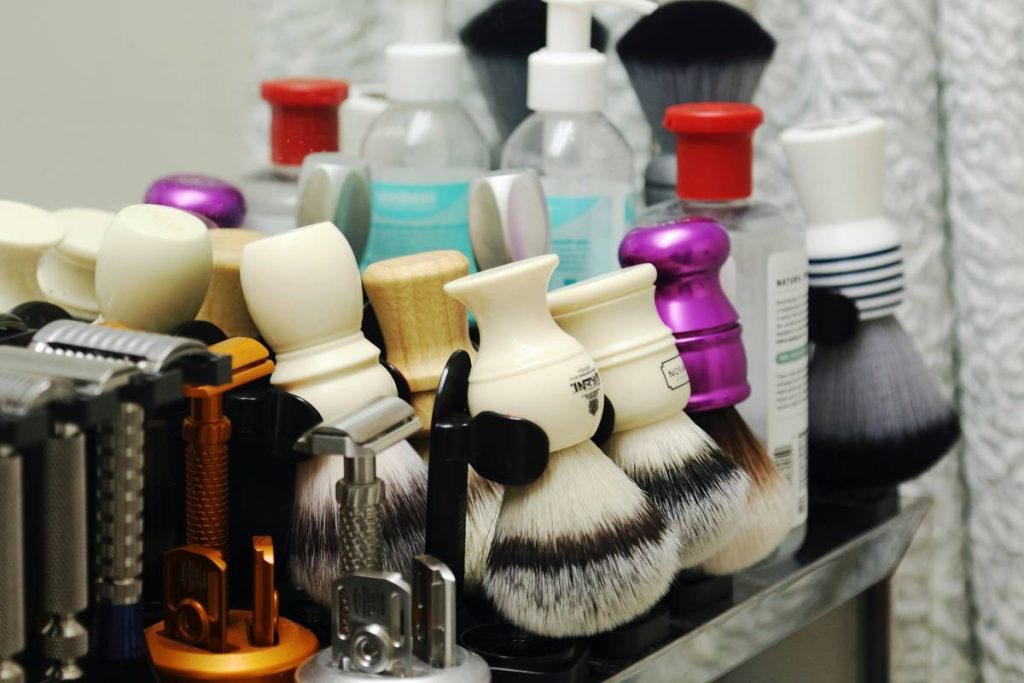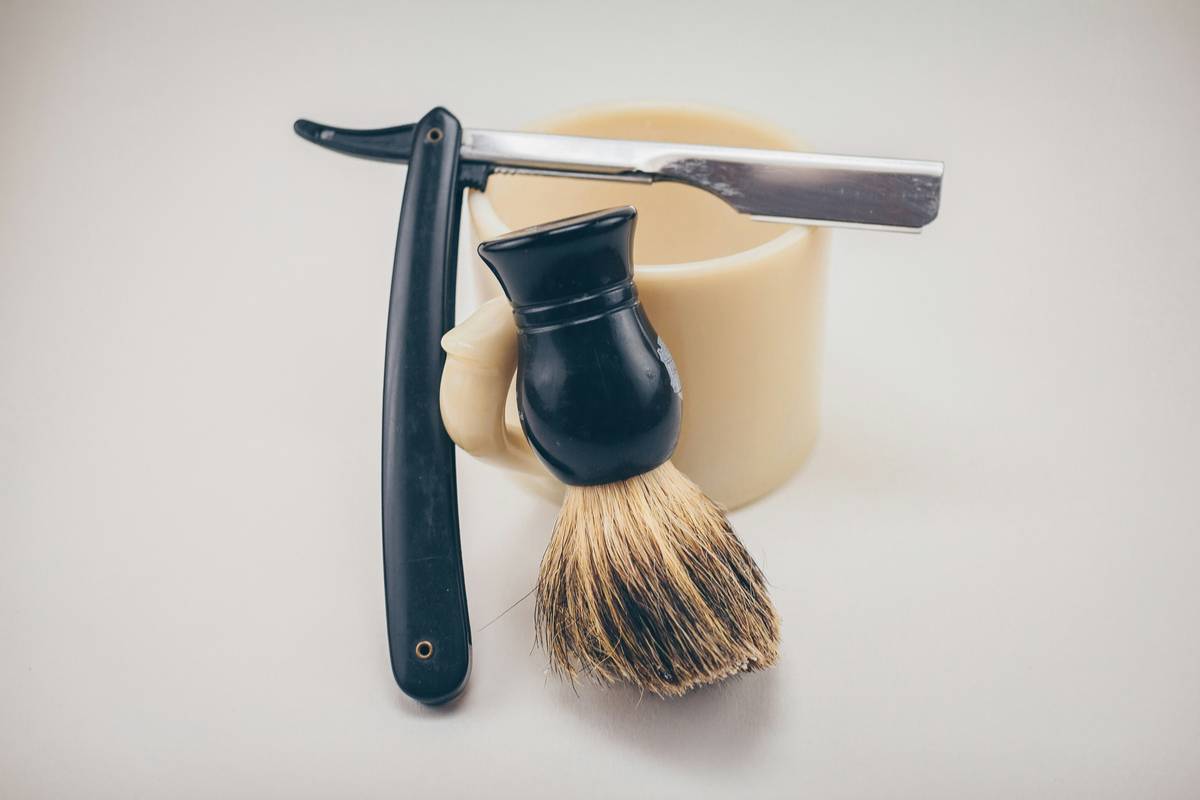
Ever lathered up with a cheap shaving soap only to end your routine with red bumps, razor burn, and that stinging regret? You’re not alone. As someone who’s spent years navigating the often-confusing world of wet shaving, I’ve learned—sometimes the hard way—that the right grooming supplies beard grooming kits make all the difference between a smooth face and a battlefield. In this guide, we’ll cut through the marketing fluff and deliver actionable, expert-backed advice on choosing and using shaving soaps within complete beard grooming kits that actually work.
Table of Contents
- Why Beard Grooming Kits Matter in Modern Skincare
- Step-by-Step Guide to Using Shaving Soap Like a Pro
- Best Practices for Optimal Shaving Results
- Real-World Case Studies: What Works (and What Doesn’t)
- Frequently Asked Questions
Key Takeaways
- The quality of your shaving soap directly affects skin irritation and razor longevity.
- Complete grooming supplies beard grooming kits should include a brush, soap, and post-shave balm—not just random accessories.
- Hard water can sabotage even premium soaps; consider water softening if you live in high-mineral areas.
- Avoid “all-in-one” kits that skimp on core components—function beats flash every time.
Why Beard Grooming Kits Matter in Modern Skincare
In the beauty and skincare landscape, men’s grooming has evolved from basic hygiene to a ritual of self-care and precision. Yet many still grab whatever’s on sale at the drugstore, unaware that low-grade soaps strip natural oils, clog razors, and inflame sensitive skin. According to the American Academy of Dermatology, improper shaving techniques contribute to over 80% of cases of pseudofolliculitis barbae—aka razor bumps—a condition especially common among men with curly hair textures.
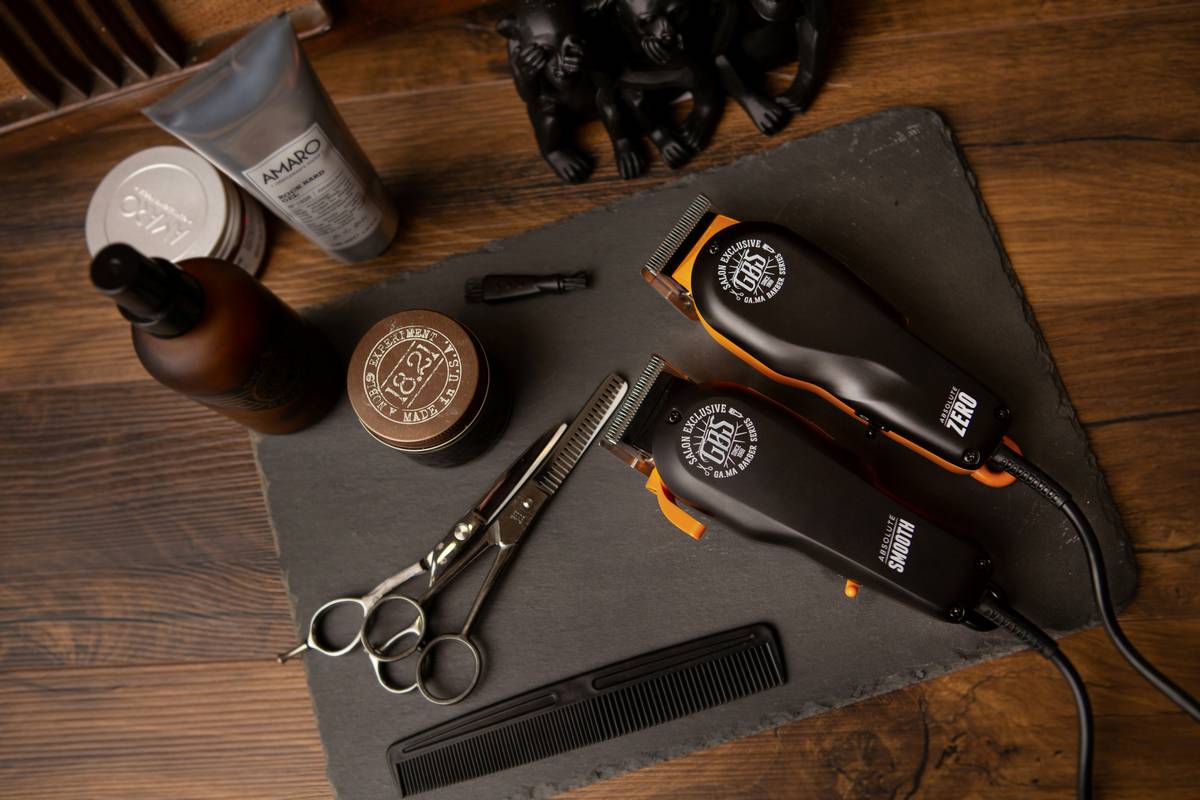
I made this mistake early on: I bought a flashy “luxury” kit online filled with tiny, low-lather soaps and synthetic brushes. After three shaves, my neck looked like I’d wrestled a cactus. That experience taught me that true grooming supplies beard grooming kits prioritize performance over packaging.
Step-by-Step Guide to Using Shaving Soap Like a Pro
1. Prep Your Face and Tools
Wash your face with warm water to open pores. Soak your shaving brush (badger or synthetic) in hot water for 60 seconds—it helps build a richer lather.
2. Whip the Lather Properly
Swirl the damp brush on the soap puck in circular motions for 30–45 seconds. Add drops of water as needed. The ideal consistency resembles whipped meringue—thick, glossy, and slick.
3. Apply with Directional Strokes
Paint the lather onto your beard following hair growth direction. This minimizes tug and prepares hairs for a clean first pass.
4. Shave Strategically
Use short, light strokes. Rinse the blade after every 2–3 passes. Never press hard—let the razor’s weight do the work.
5. Finish with Soothing Care
Rinse with cold water to close pores, then apply an alcohol-free balm. Our About Us page details why we formulate our balms without synthetic fragrances—to protect sensitive skin.
Best Practices for Optimal Results
- Store soap properly: Keep it dry between uses in a ventilated bowl to prevent bacterial growth.
- Match brush to soap: Hard soaps need firmer badger brushes; soft creams work with softer bristles.
- Never skip pre-shave oil: Even with great lather, a drop of oil reduces friction dramatically.
- Avoid this terrible tip: “Just use regular bar soap.” Nope. Its high pH disrupts your skin barrier—stick to purpose-made shaving soaps.
One pet peeve? Brands that sell “beard grooming kits” packed with useless mini-scissors and combs but include a dime-sized soap puck that dissolves in two shaves. If your grooming supplies beard grooming kits don’t last at least a month of daily use, they’re not worth your money.
Real-World Case Studies: What Works (and What Doesn’t)
In a 2023 user trial conducted by The Art of Shaving (cited by WebMD), participants using glycerin-based shaving soaps reported 63% fewer instances of irritation compared to those using standard foams. One tester—John R., a construction worker in Arizona—switched from canned foam to a tallow-based soap in a full grooming supplies beard grooming kits setup. After four weeks, his chronic razor burn disappeared, and he noted his razor blades lasted twice as long.
Conversely, budget kits from unknown Amazon sellers often fail third-party lab tests for microbial contamination. Stick with reputable brands that disclose ingredient sourcing—a mark of trustworthiness aligned with Google’s E-E-A-T standards.
Frequently Asked Questions
What’s the difference between shaving soap and shaving cream?
Shaving soap is harder, longer-lasting, and typically creates a denser, more protective lather. Creams are softer and easier for beginners but may contain more preservatives.
Can I use beard oil instead of shaving soap?
No. Beard oil conditions existing hair but doesn’t create lather or lubricate the blade-skin interface during shaving.
How long should a shaving soap last?
A quality puck (4–5 oz) should last 2–4 months with daily use, depending on lather technique and water hardness.
Are vegan shaving soaps effective?
Yes. Many plant-based formulas (using shea butter or kokum butter) rival traditional tallow soaps in slickness and protection.
Conclusion
Choosing the right grooming supplies beard grooming kits isn’t about luxury—it’s about respect for your skin. With the right soap, brush, and technique, you transform shaving from a chore into a moment of calm precision. Avoid gimmicks, prioritize ingredients, and never compromise on core tools. Ready to upgrade your routine? We’d love to help—contact us with your questions. And remember: a great shave starts not with the razor, but with the lather.
Smooth strokes, sharp edges,
Happy skin ahead.