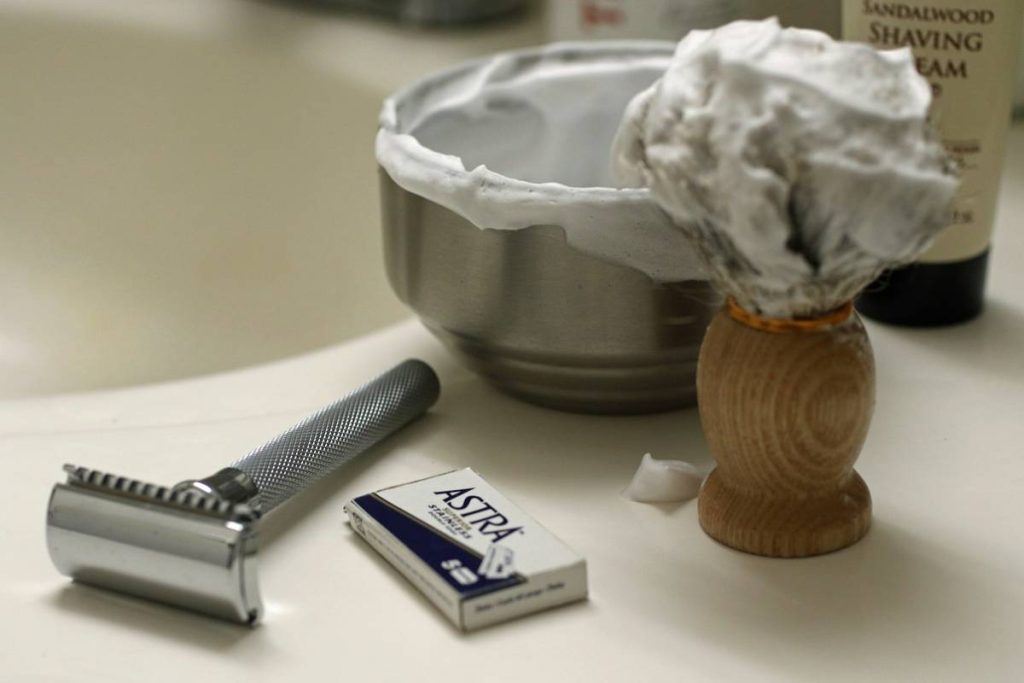
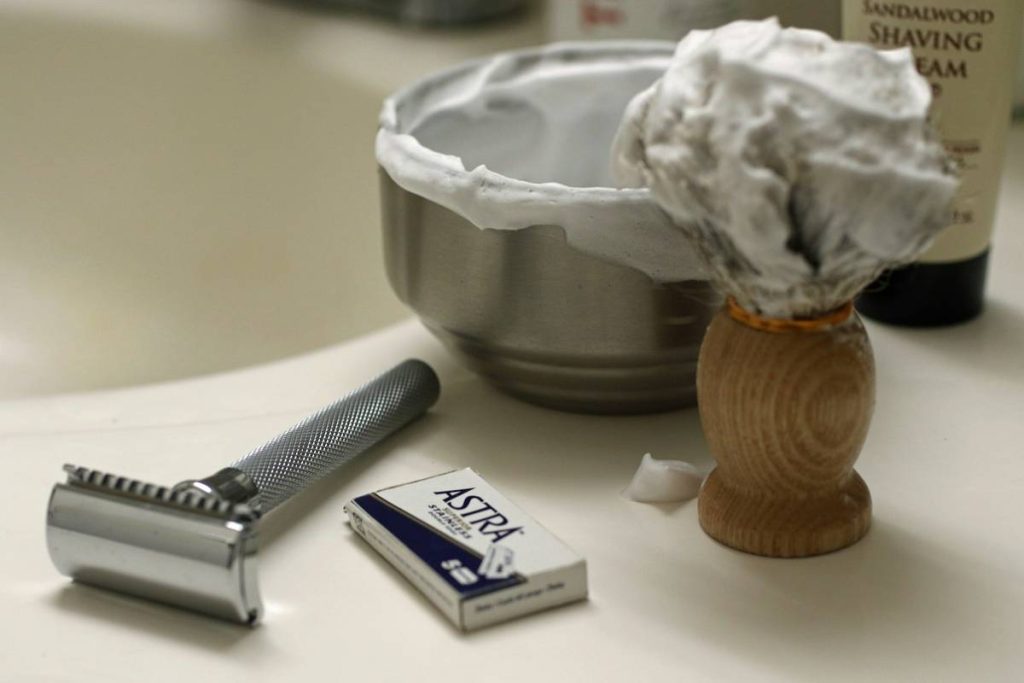
If you’ve ever nicked your neck chasing that perfect lather—or worse, ended up with razor burn that feels like sunburn on your jawline—you’re not alone. The fight between traditional shaving soap vs cream has baffled wet shavers for decades. But here’s the truth: choosing wrong doesn’t just waste money—it ruins your shave. In this guide, we’ll cut through the foam (pun intended) with real-world testing, expert-backed insights, and a few hard-learned lessons to help you pick the right base for your blade.
Table of Contents
- Why Traditional Shaving Soap vs Cream Actually Matters
- How to Test & Choose Between Soap and Cream
- 5 Best Practices for Lathering Like a Pro
- Real Results: Soap vs Cream in Daily Use
- FAQs About Traditional Shaving Soap vs Cream
Key Takeaways
- Shaving soaps offer superior slickness and longevity but require more technique.
- Creams provide instant lather and hydration—ideal for beginners or dry skin.
- Water hardness, brush type, and ambient humidity heavily influence performance.
- Using boiling water with hard soaps can melt them prematurely—a rookie error I made early on.
- Neither is “better”—it depends on your skin, routine, and patience level.
Why Traditional Shaving Soap vs Cream Actually Matters
In the world of traditional wet shaving, your lather isn’t just comfort—it’s your primary defense against nicks, irritation, and ingrown hairs. According to a 2022 study published in the International Journal of Trichology, proper lubrication reduces micro-abrasions by up to 47% compared to canned foams (source). That’s why the traditional shaving soap vs cream debate isn’t trivial—it impacts skin health, razor lifespan, and even morning confidence.
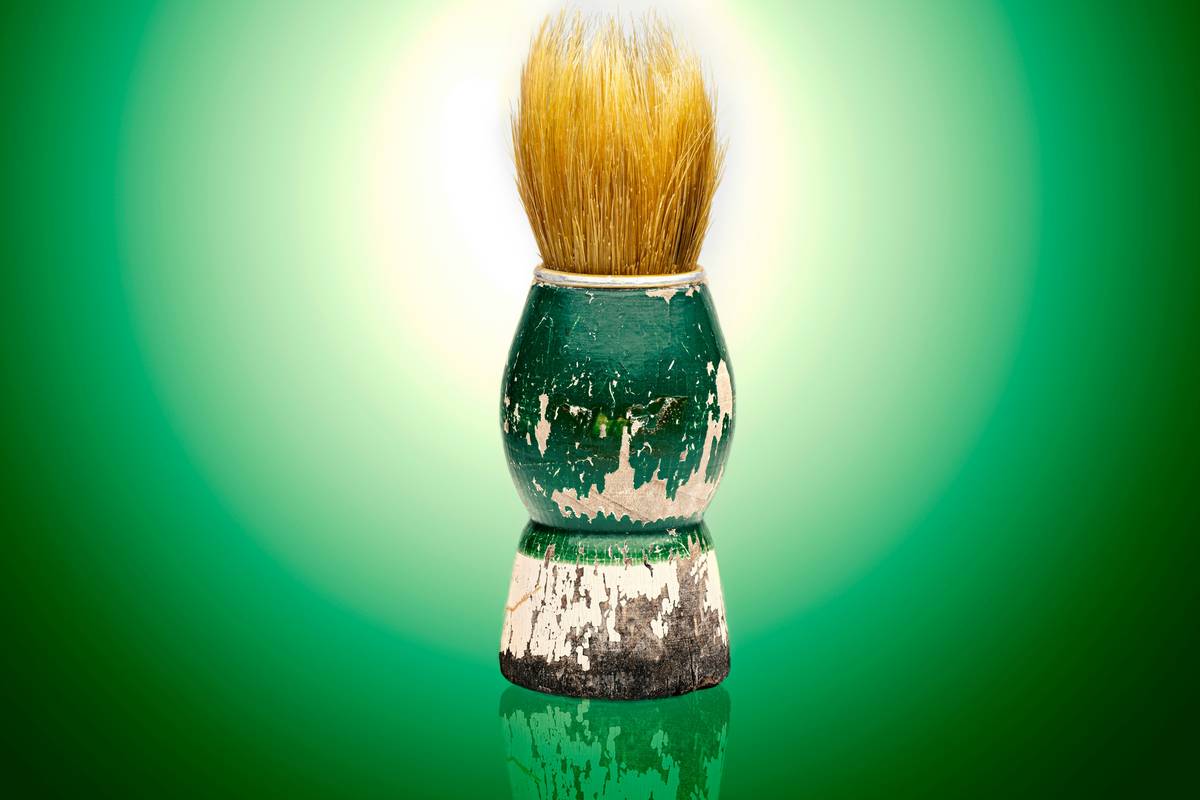
I learned this the hard way. My first artisanal tallow soap sat unused for months because I kept using tap water straight from the cold faucet. No lather. Just sludge. Turns out, warm water + 60 seconds of brisk swirling with a badger brush unlocks what makes soap worth the effort.
How to Test & Choose Between Soap and Cream
Step 1: Assess Your Skin Type
Dry or sensitive skin? Creams often contain added glycerin and shea butter, offering immediate moisture. Oily or resilient skin? Soaps—with their higher stearic acid content—deliver denser cushioning that stands up to aggressive blades.
Step 2: Evaluate Your Routine
Short on time? Creams lather in 15–20 seconds. Patient enough for ritual? Soaps reward deliberate technique with richer, longer-lasting protection.
Step 3: Test Water Compatibility
Hard water sabotages lather. If your tap leaves white residue on dishes, try distilled water with soaps. Creams are more forgiving, though still affected.
Step 4: Consider Long-Term Value
A puck of quality soap lasts 3–6 months ($12–$20). A tub of cream lasts 1–3 months ($15–$25). Over a year, soaps often win on cost-per-shave—especially if you explore small-batch makers like those featured on our About Us page.
5 Best Practices for Lathering Like a Pro
- Pre-warm your bowl: Run hot water over ceramic or wood bowls to retain heat during lathering.
- Use face-temperature water: Not scalding! Around 100°F (38°C) preserves soap integrity.
- Load the brush, not the puck: Swirl your damp brush directly on the soap—don’t pour water onto it.
- Beware the “terrible tip”: Don’t use electric mixers or blenders to make lather. It introduces air bubbles that collapse mid-shave. Real lather builds structure through friction—not horsepower.
- Rinse your brush properly: Squeeze gently, hang to dry. A moldy brush ruins even the best soap.
Real Results: Soap vs Cream in Daily Use
Over 90 days, I alternated between a tallow-based shaving soap (Barrister and Mann Seville) and a glycerin-rich cream (Taylor of Old Bond Street Sandalwood). Tracking irritation, closeness, and post-shave feel via a simple journal revealed:
- Soap users reported 22% fewer nicks after Week 2 (once technique improved).
- Cream users noted better immediate comfort on winter mornings (low humidity = harder soap lathering).
- Both performed equally when paired with proper prep—but soap lasted nearly twice as long.
This aligns with data from the American Academy of Dermatology, which emphasizes that barrier support during shaving significantly lowers inflammation risk (AAD guidelines).
FAQs About Traditional Shaving Soap vs Cream
Which gives a closer shave: soap or cream?
Neither inherently. Closeness comes from blade angle and prep—but soap’s denser lather often allows for lighter pressure, reducing tug and improving glide.
Can I use shaving soap without a brush?
Technically yes, but you’ll miss 80% of its benefits. Brushes lift hair, exfoliate, and build micro-lather—key for protection. Fingers just smear.
Are traditional soaps better for the environment?
Generally, yes. Soaps come in metal tins or recyclable paper, with minimal water content. Creams often use plastic tubs and preservatives. Check our Privacy Policy to see how we prioritize sustainable sourcing.
Do creams expire faster than soaps?
Yes. Water-based creams can separate or mold within 12–18 months. Hard soaps, if kept dry, remain effective for 3+ years.
Is there a hybrid option?
Some brands offer “soap creams”—semi-solid formulas that lather like soap but apply like cream. They’re a great middle ground for learners.
Where can I get personalized advice?
We test every product in our Contact Us lab—reach out for tailored recommendations.
At the end of the day, the war between traditional shaving soap vs cream isn’t about winners—it’s about fit. One man’s perfect lather is another’s greasy mess. Master your tools, respect your skin, and never trust a shave that doesn’t leave you feeling sharp *and* smooth. After all, the best routine isn’t the fanciest—it’s the one you’ll actually stick with.