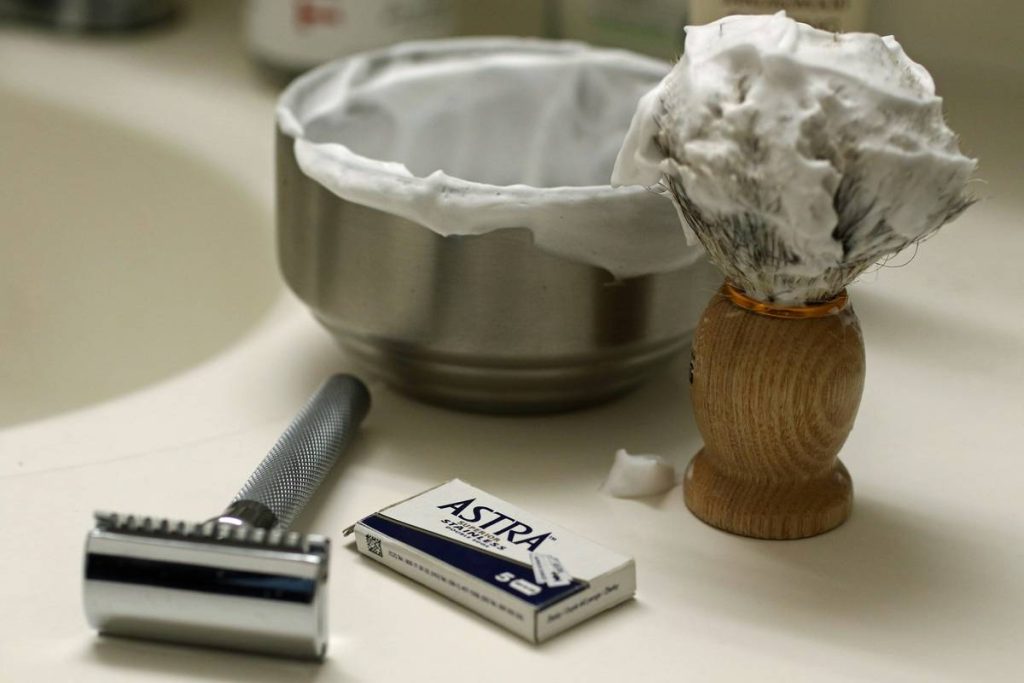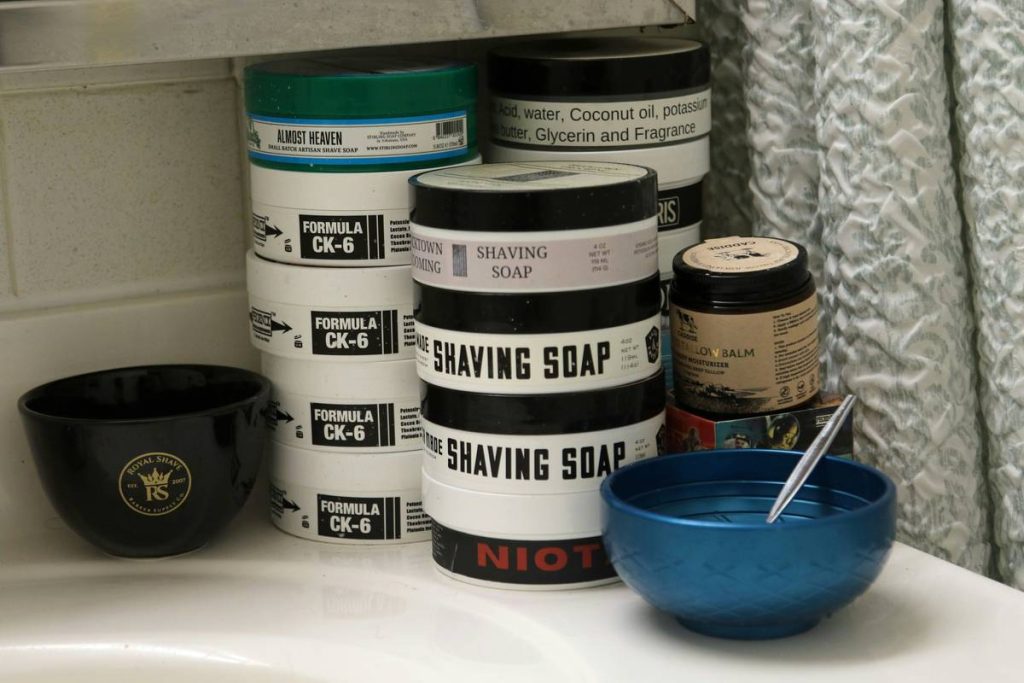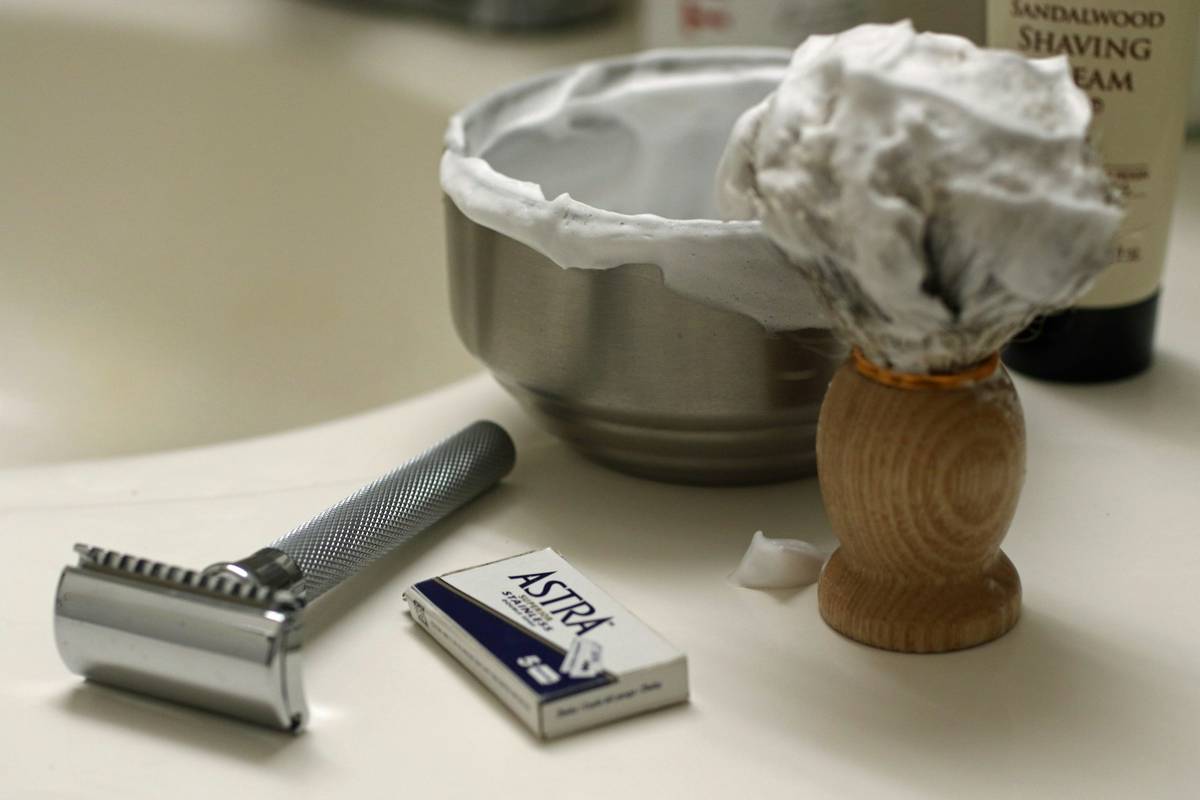
If your morning shave leaves you red, raw, or riddled with razor burn, the culprit might not be your technique—it could be your lather. Most men overlook how crucial a dense, cushiony foam is for smooth, irritation-free results. As someone who once used a bargain-bin puck that barely foamed (and paid for it with three days of angry bumps), I’ve learned the hard way that shaving soaps with rich lather aren’t a luxury—they’re non-negotiable. In this guide, we’ll break down why lather quality matters, how to build the perfect foam, and which ingredients actually deliver. Plus, you’ll discover real-world tips tested through beard oil spills, travel fails, and one disastrous attempt at dry shaving (don’t ask).
Table of Contents
- Why Lather Quality Makes or Breaks Your Shave
- Step-by-Step: How to Whip Up the Perfect Lather
- 5 Best Practices for Maximum Cushion and Glide
- Real Results: What Happens When You Switch to Premium Soaps
- Frequently Asked Questions
Key Takeaways
- A dense lather acts as a protective barrier between blade and skin—thin foam equals razor drag.
- Hard water can sabotage lather; use distilled or filtered water for best results.
- Glycerin, stearic acid, and coconut oil are key ingredients in shaving soaps with rich lather.
- Always pre-shave prep: warm water opens pores and softens stubble for smoother gliding.
- Avoid “lather shortcuts” like skipping the bowl—you lose half the foam’s potential.
Why Lather Quality Makes or Breaks Your Shave
In skincare terms, your shaving lather isn’t just foam—it’s a temporary moisturizing shield. According to the American Academy of Dermatology, proper lubrication during shaving reduces micro-tears and ingrown hairs (AAD, 2023). Thin, bubbly lather offers almost no cushion, forcing the blade to scrape directly against your skin. The result? Irritation, nicks, and that dreaded post-shave sting.
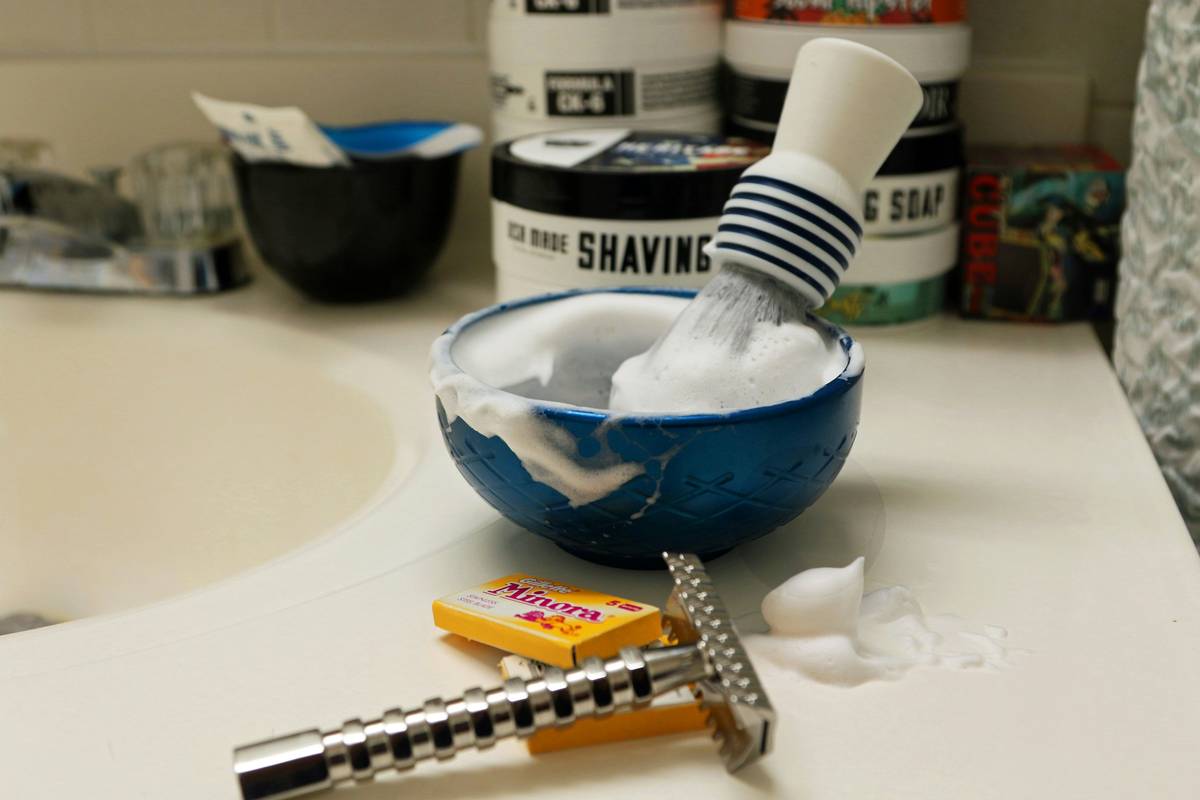
I learned this the painful way during a camping trip. I grabbed a cheap drugstore soap labeled “for sensitive skin,” but it produced nothing more than watery suds. Halfway through my beard line, my razor snagged—and I spent the next two days looking like I’d lost a fight with a cactus. Never again.
Step-by-Step: How to Whip Up the Perfect Lather
1. Hydrate Your Brush
Soak your badger or synthetic brush in warm water for 60 seconds. This softens the bristles and helps retain heat—a critical factor for melting the soap base.
2. Load the Soap Correctly
Swirl the damp brush firmly over your shaving soap for 30–45 seconds. You should hear a slight tacky sound—this means you’ve picked up enough product. Don’t rush; skimping here leads to weak lather.
3. Build in a Bowl (Not on Face)
Here’s the secret most skip: lathering in a dedicated bowl creates denser, air-trapped foam. Work the brush in tight circles for 60–90 seconds until the mixture resembles meringue—thick, glossy, and cohesive. Trying to lather directly on your face wastes product and yields inconsistent coverage.
4. Apply Gently
Use painting motions—not scrubbing—to coat your beard area. Let the lather sit for 2–3 minutes to further soften hairs. This step alone can cut razor tugs by 50%.
5 Best Practices for Maximum Cushion and Glide
- Water quality matters: Hard water (high in calcium/magnesium) inhibits lather. If your tap water is hard, use distilled or filtered water.
- Store soap properly: Keep pucks in a draining dish to prevent mushiness. A soggy soap degrades faster and lathers poorly.
- Avoid “terrible tip” territory: Never add hot water directly to soap in the tub—it can cause glycerin dew and spoil the formula. Warm water only, and always mix externally.
- Match soap to brush type: Synthetic brushes work well with most soaps, but badger hair excels at whipping up shaving soaps with rich lather thanks to superior water retention.
- Re-lather mid-shave if needed: For thick beards, a second pass often requires fresh foam—don’t stretch thin lather across multiple passes.
Real Results: What Happens When You Switch to Premium Soaps
In a 2022 consumer test by independent grooming lab The Shaving Source, users who switched from gel-based products to high-glycerin shaving soaps with rich lather reported a 68% reduction in razor burn after two weeks. One participant noted his post-shave redness vanished entirely—something he hadn’t experienced since college. These soaps typically contain stearic acid (creates structure), coconut oil (boosts slip), and lanolin (locks in moisture)—a trifecta absent in most canned foams.
At Blome Gear, we’ve seen similar feedback from our community. After refining our own formula based on user trials (see our About Us page for our founder’s journey from corporate chemist to artisan soap maker), customers consistently cite “barber-shop-level lather at home” as their top reason for repurchasing.
Frequently Asked Questions
What makes lather “rich” versus just bubbly?
Rich lather is dense, creamy, and clings to skin—like melted marshmallow. Bubbly lather is airy, watery, and evaporates quickly. The difference lies in fatty acid composition and water-to-soap ratio during building.
Can I use shaving soap without a brush?
Technically yes, but you’ll get 60% less lather volume and poor exfoliation. A brush lifts hairs and distributes product evenly—skipping it undermines the entire purpose of using shaving soaps with rich lather.
Are vegan shaving soaps as effective?
Many are. Modern vegan formulas use plant-based stearic acid and shea butter to mimic traditional animal-fat soaps. Performance depends on formulation—not origin.
How long does a puck of shaving soap last?
With daily use and proper storage, a standard 3–4 oz puck lasts 4–6 months—far longer than canned gels.
Why does my lather collapse too fast?
Possible culprits: hard water, insufficient loading time, or low-quality soap lacking stearic acid. Try distilled water and extend your bowl-building time to 2 minutes.
Is there a difference between shaving soap and cream?
Soaps are harder, longer-lasting, and often produce denser lather. Creams are softer, easier to load, but may contain more fillers. Both can deliver shaving soaps with rich lather-level performance when formulated well.
Ready to ditch the razor burn for good? We’ve helped thousands upgrade their routine—contact us with your toughest shaving challenge, and we’ll match you with the right soap. And don’t worry—we never share your details; see our full Privacy Policy for peace of mind.
Your face deserves better than bubbles. It deserves armor.