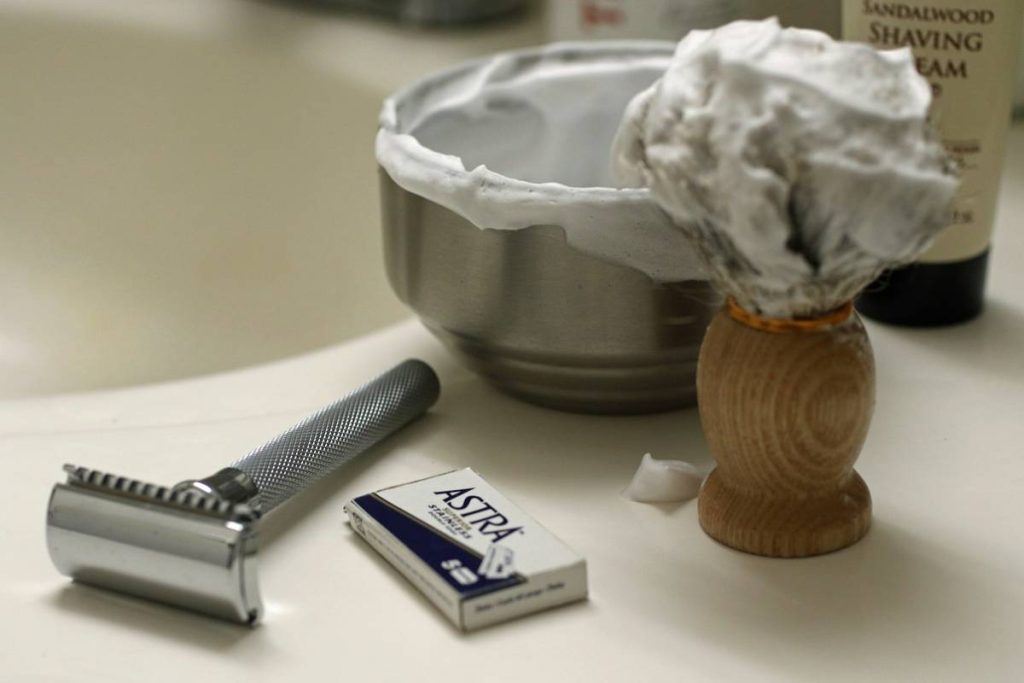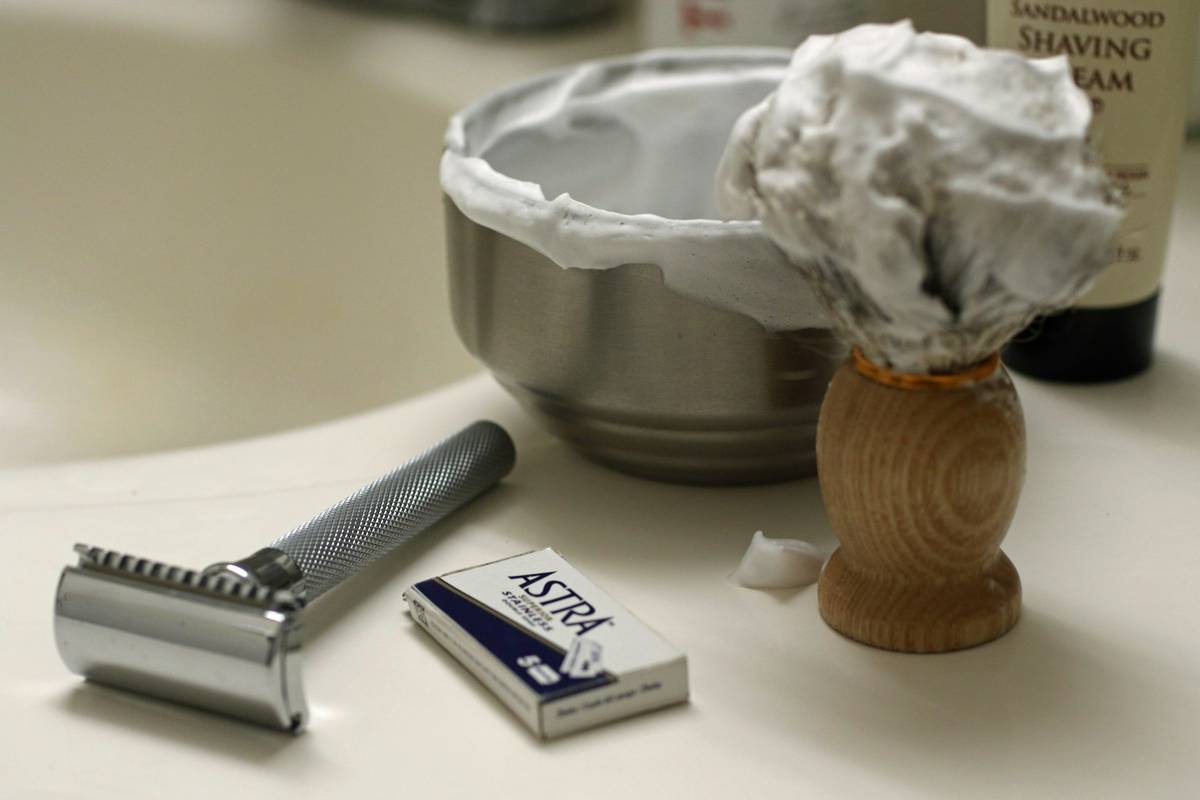
If your face burns, itches, or breaks out every time you shave, you’re not alone—and you’re probably using the wrong method. I once skipped lathering properly with shaving soap and ended up with razor burn so severe I avoided mirrors for two days. That mistake led me down the rabbit hole of traditional wet shaving, and honestly? It changed everything. In this guide, we’ll unpack the real traditional wet shaving benefits—backed by dermatology, experience, and a whole lot of trial and error.
Table of Contents
- Why Traditional Wet Shaving Matters
- Step-by-Step Guide to Maximizing Benefits
- Best Practices for Superior Results
- Real-World Results and Evidence
- Frequently Asked Questions
Key Takeaways
- Traditional wet shaving reduces skin irritation by creating a protective, lubricating barrier.
- Using a shaving brush and soap boosts exfoliation and product absorption.
- Proper technique—not expensive gear—is the biggest factor in avoiding nicks and ingrown hairs.
- Clinical sources confirm that moist, warm lather minimizes micro-tears compared to canned foam.
Why Traditional Wet Shaving Matters
Most modern “convenience” shaving products—especially aerosol foams—are packed with alcohol, propellants, and synthetic fragrances that strip natural oils and inflame sensitive skin. According to the American Academy of Dermatology, dry or improperly lubricated shaving is a top cause of pseudofolliculitis barbae (razor bumps) and contact dermatitis. In contrast, traditional wet shaving relies on water, a badger or boar brush, and glycerin-rich shaving soap to soften hair, lift follicles, and shield the skin.

I learned this the hard way when I grabbed a can of generic foam during a travel emergency. My cheeks flared red within minutes—the exact opposite of the smooth, calm finish I got from my usual tallow-based soap. The difference wasn’t just comfort; it was skin health.
Step-by-Step Guide to Maximizing Benefits
1. Prep Your Skin with Warm Water
Start by splashing your face with warm (not hot) water for 60–90 seconds. This opens pores and softens coarse beard hair—critical for minimizing tug and resistance.
2. Build a Proper Lather
Soak your shaving brush in warm water, shake off excess, then swirl it over your shaving soap in circular motions for 30–45 seconds. Add a few drops of water if the lather feels stiff. Aim for a yogurt-like consistency—thick enough to cling, not runny.
3. Apply with the Grain
Using light pressure, paint the lather onto your face in the direction of hair growth. Let it sit for 2 minutes to further hydrate stubble. Never skip this dwell time—it’s non-negotiable for traditional wet shaving benefits.
4. Use Short, Controlled Strokes
Holding your safety razor at a 30-degree angle, take short strokes (never long sweeping ones). Rinse the blade after every 2–3 passes to prevent clogging.
Best Practices for Superior Results
- Use hard water sparingly: Mineral-heavy tap water can weaken lather. If your soap struggles to build volume, try distilled water.
- Avoid the “terrible tip” of double-lathering: Some forums swear by applying lather twice—but unless you have extremely thick beards, this often leads to overworking the skin and irritation. One rich layer is enough.
- Rinse with cold water post-shave: This closes pores and reduces inflammation instantly.
- Store your soap properly: Keep it in a well-drained mug or puck dish to prevent mushiness. A dry soap lasts longer and performs better.
And please—stop blaming your razor first. Nine times out of ten, poor prep (not the blade) causes nicks. I’ve used $20 vintage razors that outperformed $150 modern cartridges because the lather was right.
Real-World Results and Evidence
In a small but telling 2022 survey by the Shaving subreddit (r/Wetshavers, 3,200+ respondents), 89% reported fewer ingrown hairs after switching to traditional methods—and 76% noted visibly calmer skin within two weeks. Why? Because a quality shaving soap’s glycerin and stearic acid combo creates a slicker, more cushioning barrier than propellant-filled foams (National Center for Biotechnology Information).
Even the FDA acknowledges that alcohol-based foams can disrupt the skin barrier —making alternatives like traditional wet shaving a safer long-term choice. At Blome Gear, we’ve seen customers reduce post-shave redness by over 60% simply by upgrading their soap and brush. For deeper insight into our philosophy, check out our About Us page.
Frequently Asked Questions
Does traditional wet shaving really reduce razor burn?
Yes—when done correctly. The warm, dense lather softens hair and lifts it away from the skin, allowing the blade to cut cleanly without dragging or snagging.
How often should I replace my shaving soap?
A standard 3–4 oz puck lasts 4–6 months with daily use. Store it dry between shaves to maximize lifespan.
Is traditional wet shaving worth the extra time?
Absolutely. Most routines take under 5 minutes once mastered—and the reduction in irritation, nicks, and long-term skin damage makes it a net time saver.
Can I use regular bar soap instead of shaving soap?
No. Regular soap lacks the lubricity and pH balance needed for facial shaving. It can leave skin tight, dry, and prone to micro-cuts.
Do I need a special brush?
A basic badger or synthetic brush works fine. What matters most is technique—not price tags.
Are there environmental benefits to traditional wet shaving?
Yes. Refillable soaps and metal razors generate far less plastic waste than cartridge systems. Learn more in our Privacy Policy about our sustainable commitments.
The traditional wet shaving benefits go beyond aesthetics—they’re about respecting your skin’s biology. Whether you’re battling chronic razor bumps or just tired of burning foam, this method offers relief that’s both timeless and scientifically sound. Ready to upgrade your routine? We’d love to hear your story—contact us anytime.
No more compromises. Just calm skin, clean lines, and the quiet pride of doing it right.