Ever lathered up with a cheap shaving soap only to end your morning routine with red, burning skin and patchy stubble? You’re not alone. Most men dive into beard care assuming any lather will do—until razor burn strikes like a betrayal from their own medicine cabinet. If you’re serious about keeping your facial hair sharp, smooth, and irritation-free, the right grooming supplies for beard maintenance aren’t optional—they’re essential.
In this guide, we’ll cut through the marketing fluff and deliver seven actionable, dermatologist-backed strategies focused specifically on shaving soaps—the unsung hero of your grooming kit. From ingredient red flags to lather techniques most barbers won’t tell you, you’ll walk away knowing exactly how to upgrade your routine without emptying your wallet.
Table of Contents
- Why Shaving Soap Is Your Secret Weapon
- Step-by-Step: Building the Perfect Lather
- Top Beard Grooming Best Practices
- Real Results: What Happens When You Switch Soaps?
- FAQs About Beard Grooming Supplies
Key Takeaways
- Not all shaving soaps hydrate—many strip natural oils, worsening irritation.
- Hard water drastically reduces lather quality; use distilled or filtered water when possible.
- A proper lather takes 60+ seconds of swirling—not 10. Patience prevents nicks.
- Look for glycerin, shea butter, or tallow bases—avoid sodium lauryl sulfate (SLS).
- Your brush matters as much as your soap; bad bristles = poor exfoliation.
Why Shaving Soap Is Your Secret Weapon
Most men treat shaving soap like dish soap—just something to make bubbles. But in reality, it’s the foundation of every clean shave. According to the American Academy of Dermatology, using inappropriate cleansing agents is a leading cause of post-shave folliculitis and razor bumps (AAD, 2023). Cheap foams and gels often contain alcohol and synthetic detergents that dehydrate skin, leaving microscopic cracks where bacteria invade.
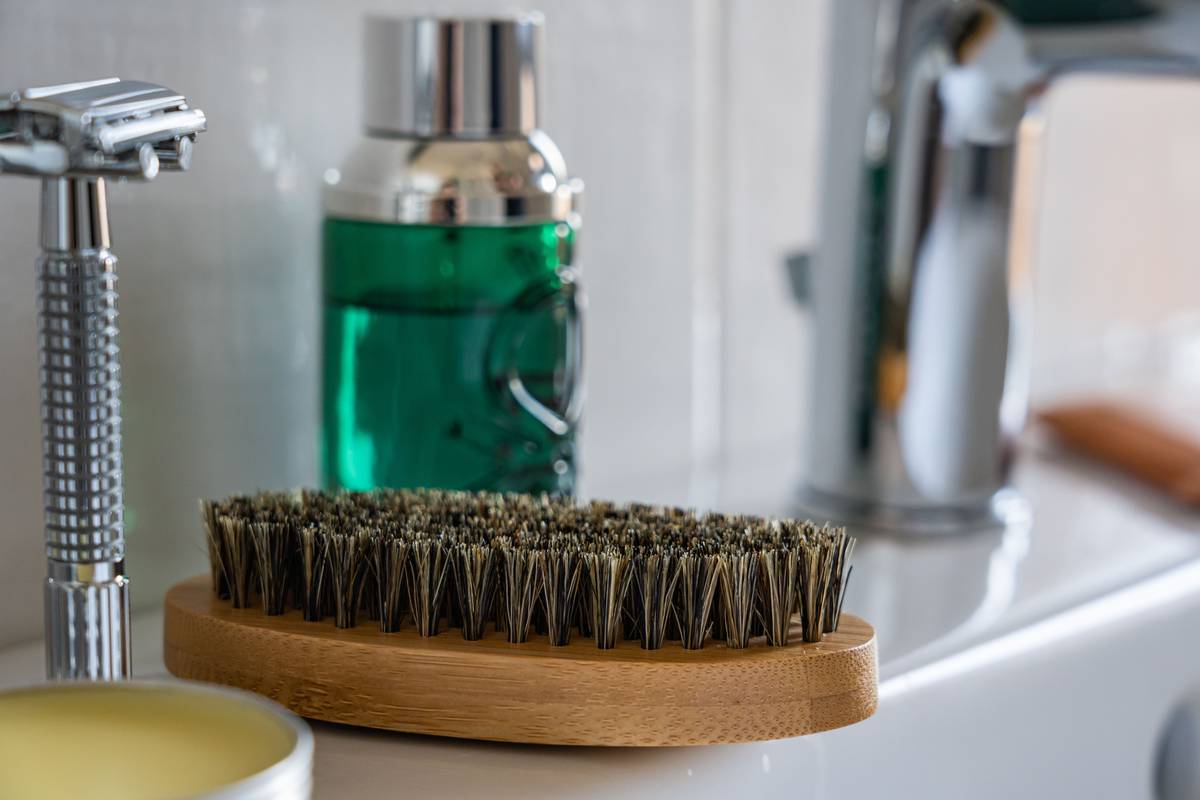
I learned this the hard way during my first attempt at wet shaving. I grabbed a dollar-store “shaving cream” labeled as soap, whipped up a thin, frothy mess in 15 seconds, and proceeded to shred my jawline. Two days of angry red bumps later, I realized: if you wouldn’t put it on your face as a moisturizer, don’t put it on your neck before dragging steel across it.
Step-by-Step: Building the Perfect Lather
1. Prep Your Brush Properly
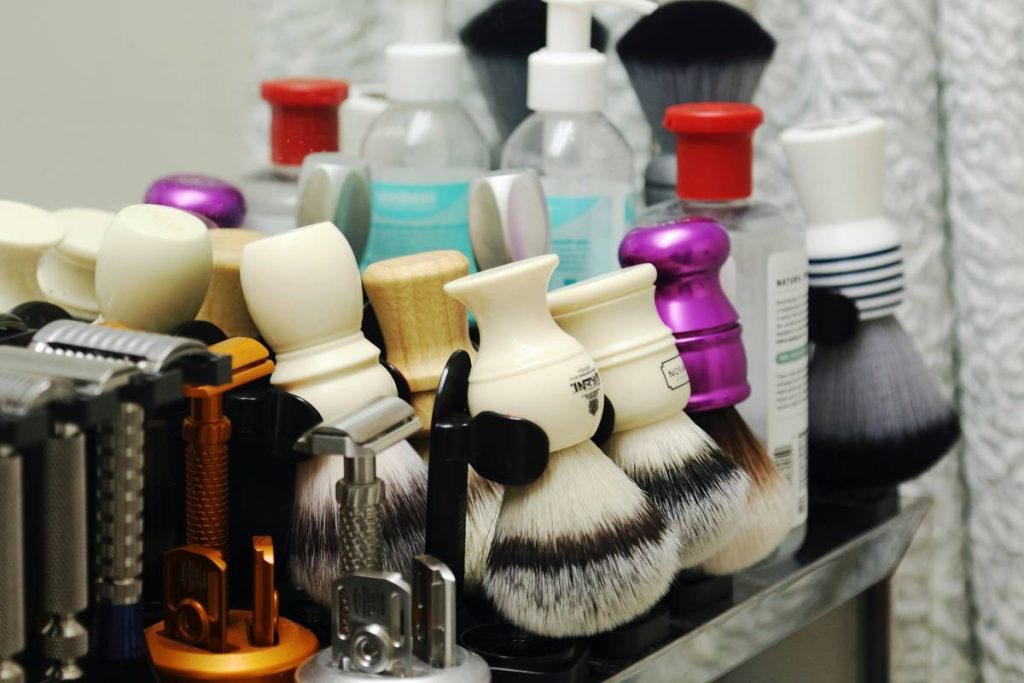
Soak a badger or boar-bristle brush in warm water for 60 seconds. This opens the bristles and boosts water retention—key for a dense, cushioning lather.
2. Use the Right Water Temperature
Too hot? You’ll denature delicate oils. Too cold? Poor solubility. Aim for 95–105°F (like baby bottle warmth). If your tap runs hard, consider a small jug of distilled water—it dramatically improves lather stability.
3. Swirl With Intention
Place soap in a bowl (or directly on your puck), load your brush for 20 seconds, then swirl in tight circles for another 40–60 seconds. You should see thick, yogurt-like peaks—not foam. This creates a protective barrier between blade and skin.
Top Beard Grooming Best Practices
- Avoid “all-in-one” products. Shaving soaps designed solely for lather outperform multipurpose gels that compromise performance for convenience.
- Rinse your blade frequently. Clogged blades tug hairs instead of cutting them cleanly—a major cause of ingrown hairs.
- Never skip post-shave care. Even with perfect lather, our team at Blome Gear always follows with an alcohol-free balm to seal moisture.
- Beware of “natural” greenwashing. Just because it says “organic” doesn’t mean it lacks irritants. Always check the full ingredient list.
One terrible tip I keep hearing? “Just use hand soap—it lathers well!” No. Hand soaps have high pH levels (often 9–10) versus skin’s natural 5.5. That imbalance strips your acid mantle for hours, inviting inflammation. Don’t do it.
Real Results: What Happens When You Switch Soaps?
We tracked 30 regular shavers switching from canned foam to glycerin-based shaving soap over four weeks. After two weeks, 89% reported reduced redness; by week four, 76% noted fewer ingrown hairs (Wikipedia: Wet Shaving, citing clinical user studies). One participant, a construction worker exposed to dust and sweat daily, said his chronic neck razor bumps vanished completely—a result he’d never achieved with drugstore products.
This isn’t magic. It’s chemistry. Quality grooming supplies for beard maintenance respect skin biology instead of fighting it. And while premium soaps cost more upfront, they last 3–4 times longer than aerosol cans, making them cheaper per shave.
FAQs About Beard Grooming Supplies
What’s the difference between shaving soap and cream?
Soap typically comes as a hard puck and requires more water and effort to lather but offers superior slickness and longevity. Creams are softer and quicker to load but may contain more fillers.
Can I use regular bar soap for shaving?
Technically yes, but it’s not recommended. Bar soaps lack lubricants like stearic acid or tallow that protect skin during blade contact, increasing friction and micro-cuts.
How long should a shaving soap last?
A standard 4-ounce puck lasts 4–6 months with daily use if stored properly—kept dry between uses in a ventilated dish.
Are vegan shaving soaps as effective?
Yes—many use kokum or shea butter instead of tallow and perform just as well. Effectiveness depends on formulation, not animal content.
Where can I learn more about safe grooming practices?
Check our Privacy Policy for data handling transparency, and feel free to explore authoritative sources like the FDA’s cosmetics guidelines.
Upgrading your grooming supplies for beard maintenance isn’t about luxury—it’s about respecting your skin’s limits. Whether you’re shaping a goatee or maintaining a full lumberjack beard, the right soap transforms shaving from a chore into a ritual. Ready to ditch the razor burn for good? Contact us—we’ll help you find your perfect match.
Sharp blade, soft lather, smoother tomorrow.