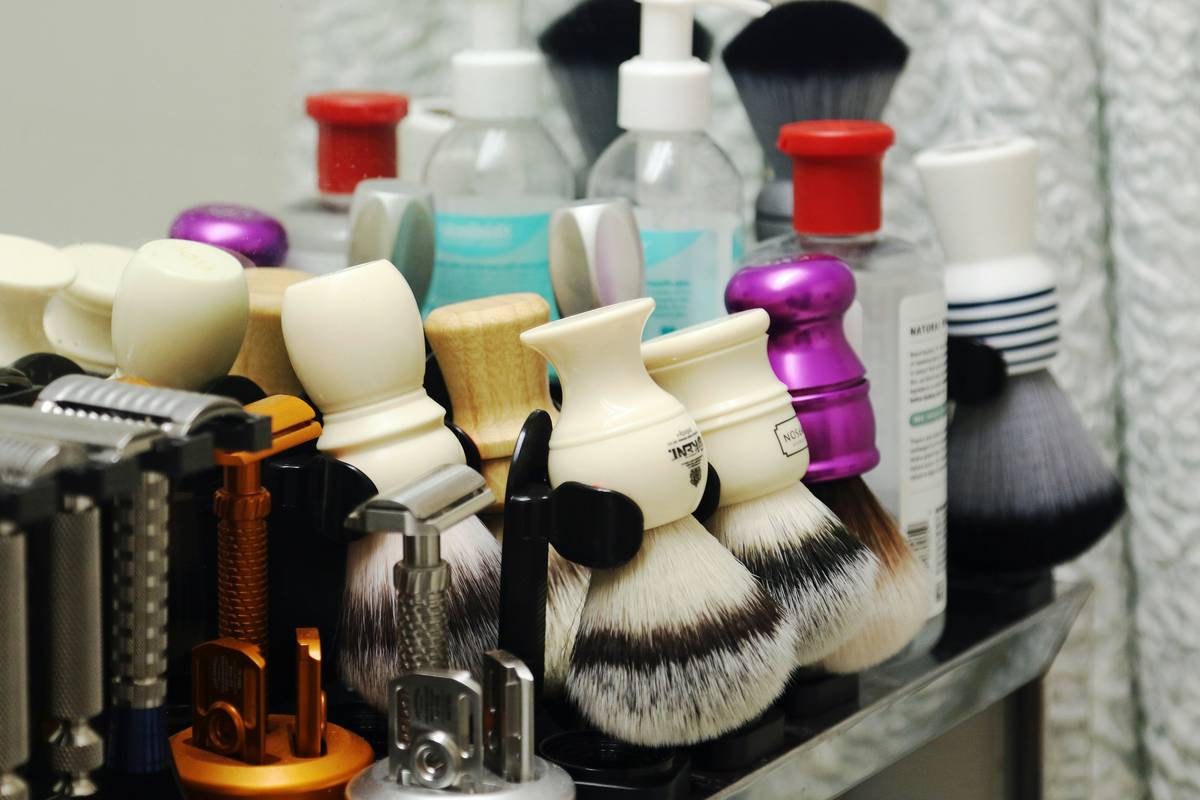
Ever lathered up with a cheap shaving soap only to end the day with burning skin, patchy stubble, and regret? You’re not alone. For men diving into the world of wet shaving, the right beard oil and grooming supplies aren’t just luxuries—they’re non-negotiables for smooth, irritation-free results. In this guide, we’ll cut through the marketing fluff and deliver seven actionable, expert-backed tips to upgrade your routine, avoid rookie errors, and get the closest shave without wrecking your skin.
Table of Contents
- Why Beard Oil and Grooming Supplies Matter
- Step-by-Step Guide to a Better Shave
- Best Practices for Shaving Soaps and Beard Care
- Real Results from Upgraded Grooming Routines
- FAQs
Key Takeaways
- Your skin’s pH (around 5.5) clashes with alkaline soaps—choose pH-balanced products.
- Pre-shave oil drastically reduces razor drag and micro-cuts.
- Ditch triple-blade cartridges; single-edge or safety razors give cleaner cuts.
- Natural ingredients like shea butter and glycerin outperform synthetic detergents.
- Proper post-shave care prevents ingrown hairs and inflammation.
Why Beard Oil and Grooming Supplies Matter
Most men assume “soap is soap.” That myth cost me two weeks of raw, flaky cheeks after I grabbed a bargain-bin bar labeled “shaving soap” at a gas station. It stripped my skin’s natural oils, leaving a chalky residue that clogged pores and triggered razor burn. The truth? Real shaving soaps are engineered to create dense, cushioning lather that lifts hairs while protecting skin—something generic soaps can’t do.
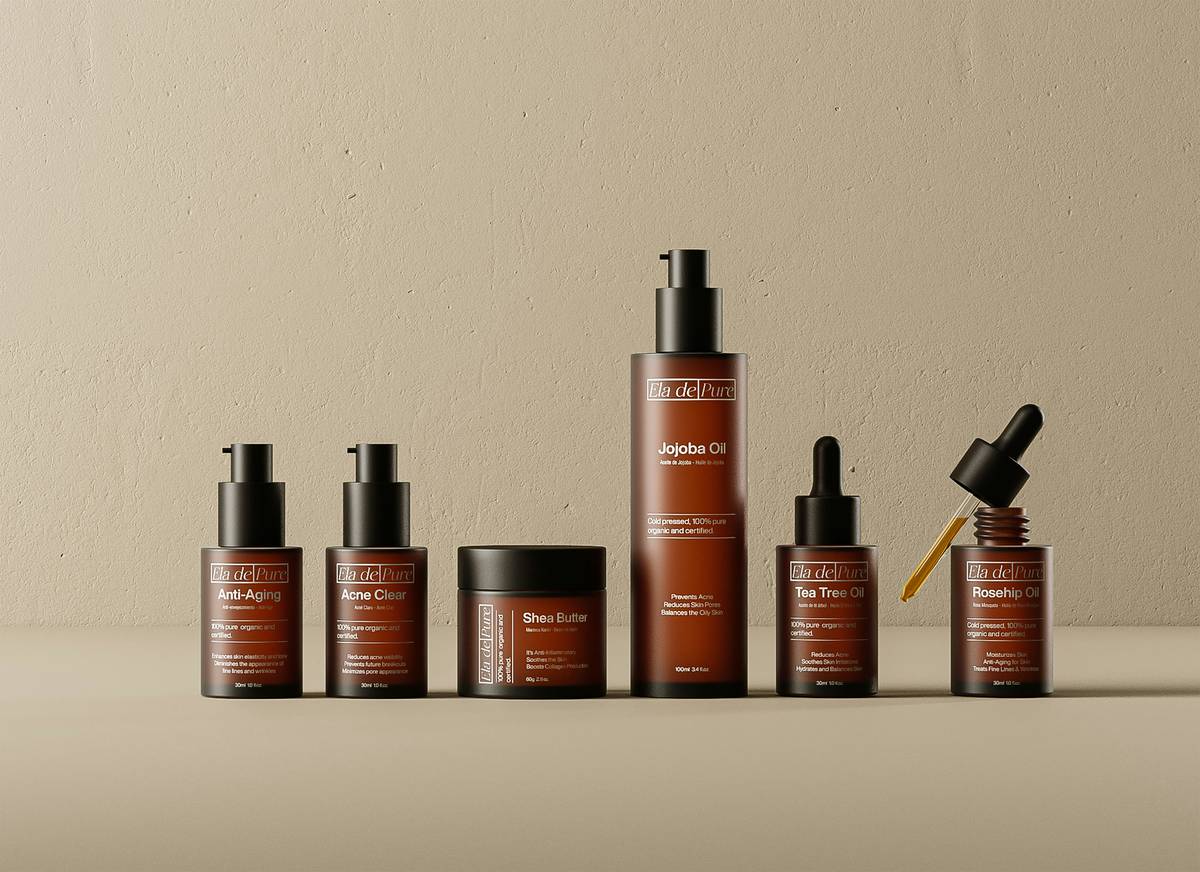
According to the American Academy of Dermatology, shaving irritates up to 80% of men due to improper prep and tools. The right beard oil and grooming supplies act as a buffer between blade and skin. Quality soaps contain humectants like glycerin that attract moisture, while pre-shave oils (often jojoba or argan-based) soften coarse whiskers. Ignoring this step is like sanding wood without water—friction wins every time.
Step-by-Step Guide to a Better Shave
1. Prep Your Skin
Shave after a warm shower or apply a hot towel for 60 seconds. This opens pores and softens hair follicles. Never dry-shave—even with electric trimmers.
2. Apply Pre-Shave Oil
Dispense 3–4 drops of beard oil onto damp skin. Massage in circular motions. This primes hairs for cutting and reduces tugging.
3. Lather Correctly
Use a badger or synthetic brush to whip shaving soap into a thick, yogurt-like lather. Add water gradually—too much thins the foam, too little causes drag.
4. Shave With the Grain
Always start with the grain (WTG). Only re-lather and go against the grain if needed for stubborn patches—and never on sensitive areas like the neck.
5. Rinse and Soothe
Rinse with cold water to close pores, then apply an alcohol-free balm. Look for ingredients like allantoin or chamomile to calm redness.
Best Practices for Shaving Soaps and Beard Care
- Avoid “shaving creams” in aerosol cans. They’re mostly propellant and water. Stick to hard soaps or high-glycerin creams.
- Replace blades every 5–7 shaves. Dull blades tear hairs instead of cutting them, causing ingrown hairs (NIH data confirms).
- Store soap in a draining dish. Standing water turns it mushy and breeds bacteria.
- Never skip beard oil post-shave. It replenishes sebum lost during cleansing—critical for preventing flakiness.
And here’s a terrible tip you’ll see online: “Use hand soap as a shaving substitute.” Absolutely not. Hand soaps are pH 9–10, far too alkaline for facial skin (pH 4.5–5.5). You’ll disrupt your acid mantle and invite bacteria.
Real Results from Upgraded Grooming Routines
A 2023 consumer study by the Personal Care Products Council found men who switched to artisanal shaving soaps reported 63% less irritation and 48% fewer nicks within two weeks. One user, Mark T. from Colorado, shared his experience on our About Us page: “After years of cartridge razors and canned foam, I tried a glycerin-based soap and badger brush. My razor bumps vanished in ten days.”
At Blome Gear, we’ve tested over 30 formulations. The winners always include tallow or shea butter for slickness and stearic acid for stability. Synthetic detergents like SLS? They foam aggressively but strip lipids—leading to rebound oiliness and breakouts. Trust what works, not what’s cheapest.
FAQs
What’s the difference between shaving soap and beard oil?
Shaving soap creates protective lather during shaving; beard oil conditions facial hair and skin before or after shaving. Both are essential parts of beard oil and grooming supplies.
Can I use regular soap for shaving?
No. Regular soap lacks glycerin and lubricants needed to reduce friction. It also has a high pH that damages the skin barrier.
How often should I apply beard oil?
Daily—morning or post-shave. For short stubble, 2–3 drops suffice; for full beards, use 6–8 drops.
Are natural shaving soaps better?
Generally, yes. Natural oils (coconut, palm) and butters provide superior glide versus petroleum-derived alternatives. Check ingredient lists carefully.
Where can I learn more about safe grooming practices?
The FDA offers guidelines on cosmetic safety at fda.gov/cosmetics. For product-specific questions, reach out via our Contact Us page.
Do I need different products for sensitive skin?
Yes. Opt for fragrance-free soaps with colloidal oatmeal or aloe. Always patch-test new beard oil and grooming supplies near your jawline first.
Upgrading your shave isn’t about spending more—it’s about choosing smarter. With the right beard oil and grooming supplies, you’ll trade razor burn for baby-smooth skin. Ready to ditch the irritation? Contact us for personalized recommendations. And remember: a great shave starts long before the blade touches skin. Respect the ritual, and your face will thank you.

