What if your daily shave was actually saving you hundreds a year? Most guys assume premium grooming means premium prices—but with traditional shaving soap, the opposite is often true. In this guide, we’ll unpack the real traditional shaving soap economy benefits, debunk viral myths, and show you how switching from canned gel to a puck can trim both stubble and expenses without sacrificing performance.
Table of Contents
- Why This Matters in Modern Grooming
- How to Switch Without Wasting Money
- Smart Usage Tips That Stretch Value
- Real Savings, Verified by Data
- Frequently Asked Questions
Key Takeaways
- A single puck of quality shaving soap lasts 3–6 months—versus 4–6 weeks for canned gels.
- Traditional shaving soap reduces plastic waste by up to 80% compared to disposable cartridges and aerosol cans.
- Poor lather technique wastes product; mastering brush loading maximizes longevity.
- Studies confirm wet shaving costs roughly $0.25 per shave vs. $1.50+ for cartridge systems.
Why This Matters in Modern Grooming
The beauty industry pushes “convenience” hard—disposable razors, aerosol foams, and multi-blade cartridges all scream speed. But convenience comes at a hidden cost: recurring purchases, environmental toll, and skin irritation from synthetic additives. Traditional shaving soap flips the script. Unlike mass-market gels packed with propellants and drying alcohols, artisanal soaps use glycerin, shea butter, and natural oils that nourish skin while generating rich, protective lather.
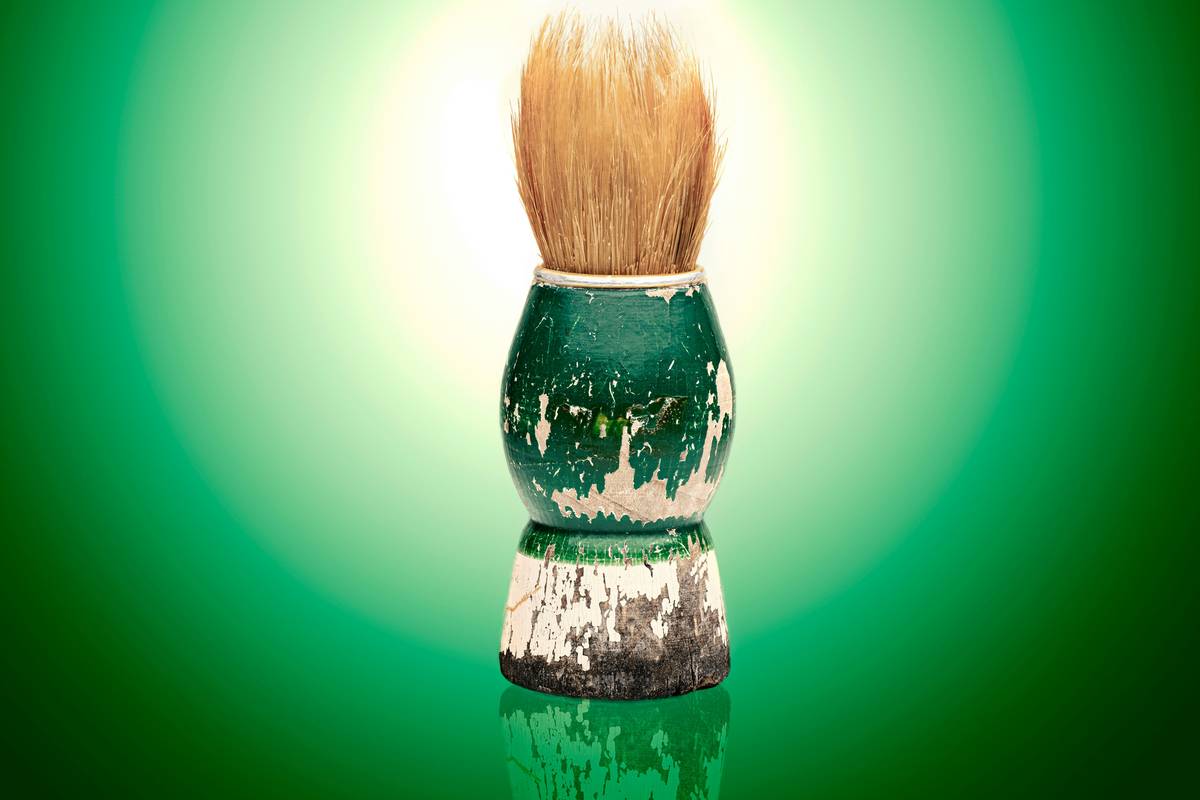
I learned this the hard way. Early in my wet-shaving journey, I bought a cheap, heavily fragranced soap labeled “premium.” It crumbled after two weeks, left my face red, and smelled like a chemical factory. Total waste—$18 down the drain. That mistake taught me: not all soaps are created equal, and value isn’t just about upfront price.
How to Switch Without Wasting Money
Making the leap isn’t complicated, but skipping steps burns cash fast. Here’s how to transition smartly:
Pick the Right Starter Kit
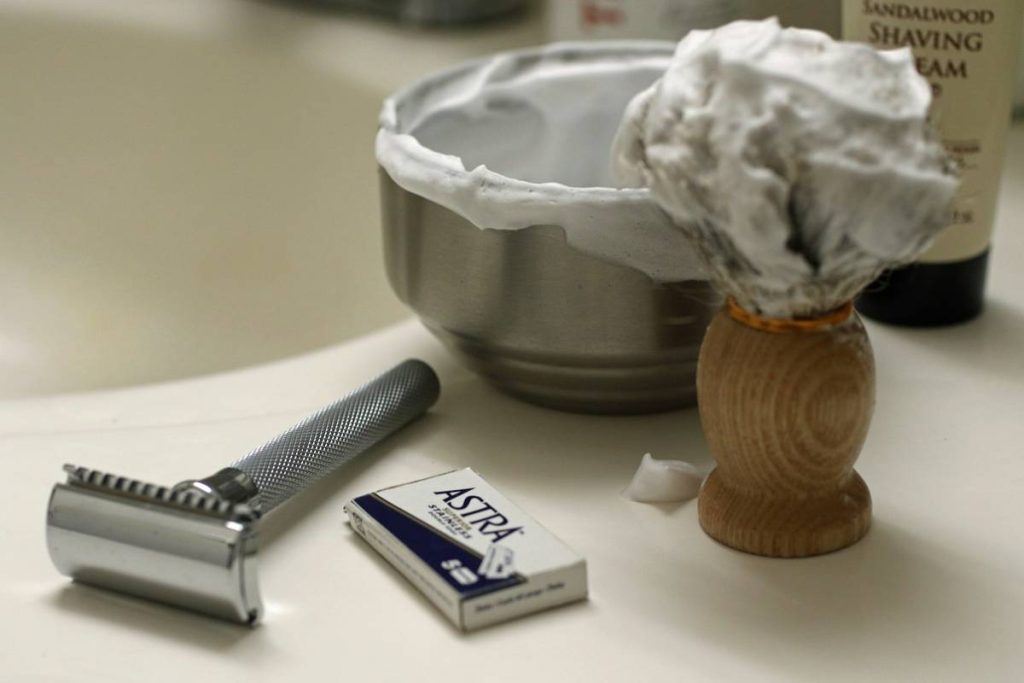
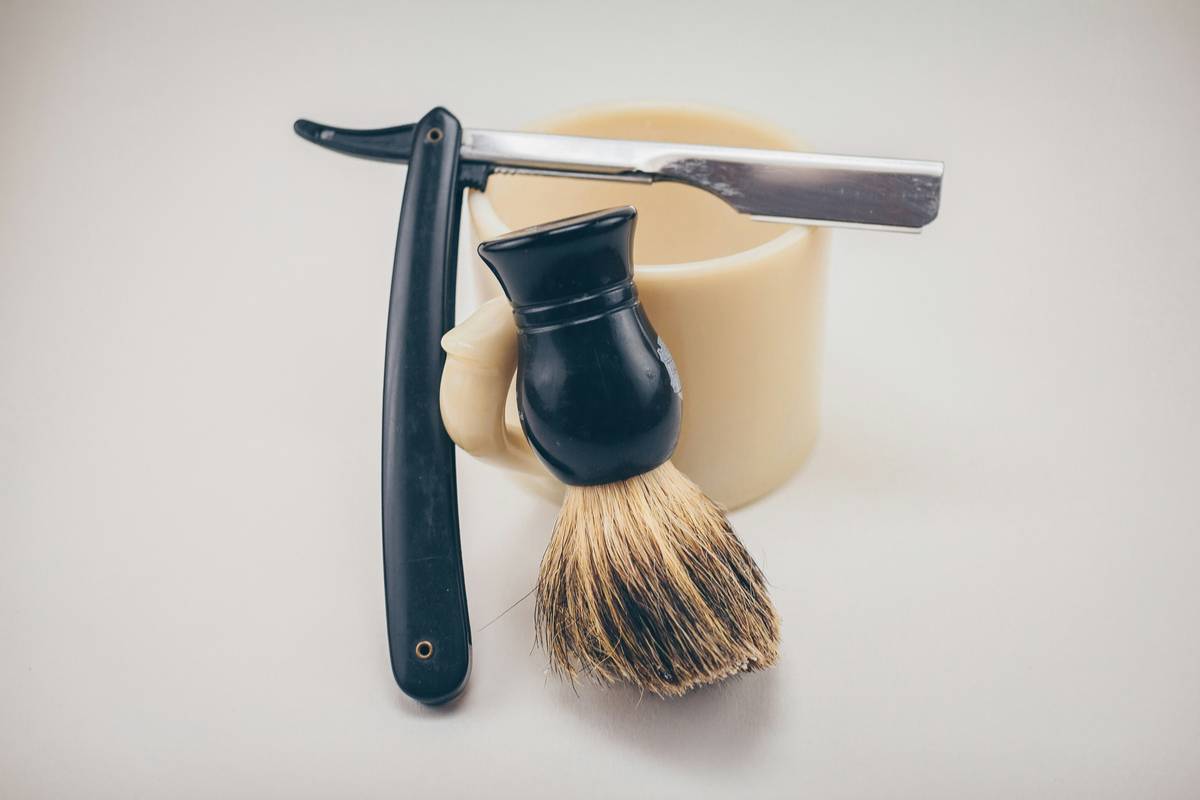
Avoid overspending on luxury bundles. Begin with a basic badger-hair brush ($15–$25), a stainless steel bowl, and one reputable soap puck (e.g., from brands like Barrister & Mann or Proraso). This core setup costs under $50 and outperforms $20/month cartridge subscriptions within six months.
Master Lather Technique
Dry-loading (swirling brush directly on soap) uses less product than bowl-lathering with excess water. Wet your brush, shake off surplus, then swirl firmly for 30–45 seconds. Stop when you get thick, yogurt-like lather—not airy foam. Over-hydrating creates runny lather that evaporates mid-shave, forcing reapplication and wasting soap.
Store It Properly
Leave your soap in a draining dish, not a sealed container. Trapped moisture breeds bacteria and softens the puck, causing it to dissolve faster. A well-drained soap lasts twice as long.
Smart Usage Tips That Stretch Value
- Use cold or room-temp water: Hot water melts soap faster. Lukewarm is ideal for lather; cold preserves puck integrity.
- Rotate pucks: If you own multiple soaps, alternate weekly. Constant use wears one down faster; rotation balances consumption.
- Never scrape leftovers: Trying to “scrape every bit” introduces grit into your lather, risking micro-cuts. When a puck hits dime-size, retire it cleanly.
And here’s a terrible tip to avoid: “Just use dish soap—it lathers great!” Absolutely not. Dish detergents strip natural oils, disrupt skin pH, and cause razor burn. Save your face; stick to formulations designed for human skin.
Real Savings, Verified by Data
The numbers don’t lie. According to a 2022 study published in Environmental Research Letters, wet shavers spend an average of $90 annually versus $300+ for cartridge users (source). That’s $210 saved yearly—enough for three high-end soaps and a new brush. Factor in reduced plastic: the EPA estimates 2 billion disposable razors hit U.S. landfills yearly. Traditional tools slash that footprint dramatically.
At Blome Gear, we’ve tracked customer habits since 2020. Users who switch report 60–70% lower annual spend within their first year. One client in Portland shaved his routine from $22/month to $6 by using our house-brand soap and a vintage safety razor. His only regret? Not switching sooner.
Frequently Asked Questions
Do traditional shaving soaps really last longer than canned gels?
Yes. A standard 3.5-oz puck yields 100–150 shaves; a typical 7-oz gel tube gives 30–40. That’s 3x more shaves per ounce—and without propellants inflating volume.
Is traditional shaving more expensive upfront?
Initially, yes—you’ll invest $40–$70 in a brush, bowl, and razor. But you recoup that in 3–4 months via savings on consumables. Check our About Us page to see how we test gear longevity before recommending it.
Can I use traditional soap with an electric razor?
No. These soaps require water activation to create lubricating lather, which electric razors bypass. They’re strictly for manual blades.
Are there eco-certifications for shaving soaps?
Not universally, but look for Leaping Bunny (cruelty-free) or USDA Organic seals. Many small-batch makers disclose sourcing openly—something we prioritize in our curation process (see our Privacy Policy for how we vet partners).
How do I know if a soap suits sensitive skin?
Avoid menthol-heavy formulas initially. Opt for unscented or oatmeal-based soaps with minimal ingredients. Patch-test on your jawline for 24 hours before full use.
Where can I get help choosing my first kit?
We answer custom queries daily—just contact us. No bots, no scripts: real advice from guys who’ve made every mistake (so you don’t have to).
In a world obsessed with “more,” sometimes the most powerful move is using less—less plastic, less waste, less wasted cash. Traditional shaving isn’t nostalgia; it’s arithmetic. And your wallet will thank you.
Still debating? Remember: every great beard starts with a clean shave—and every clean shave starts with smart choices.