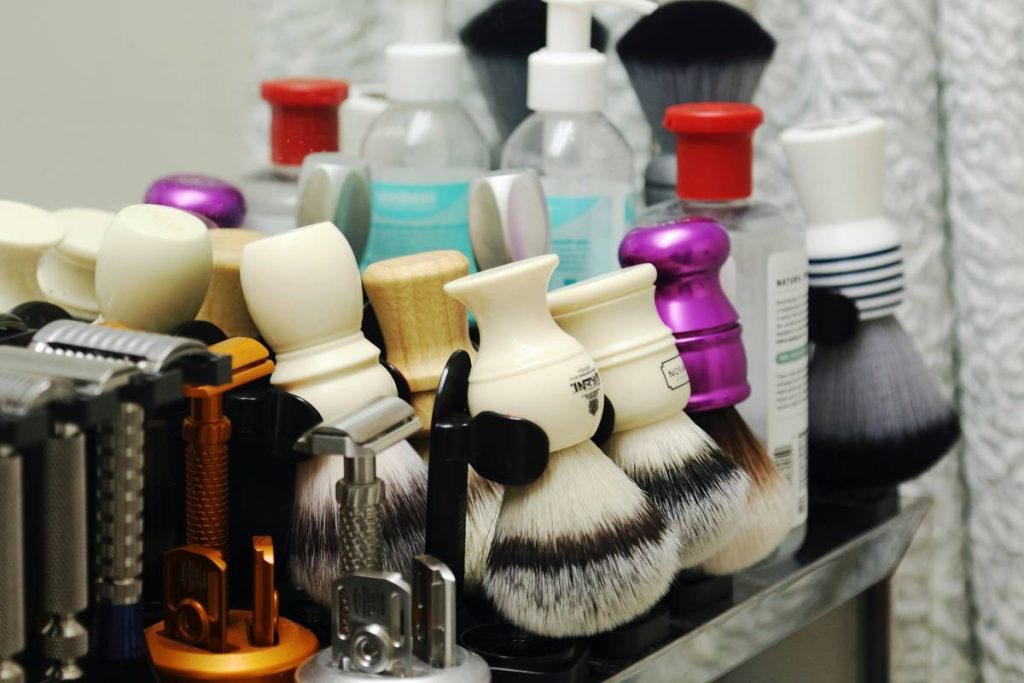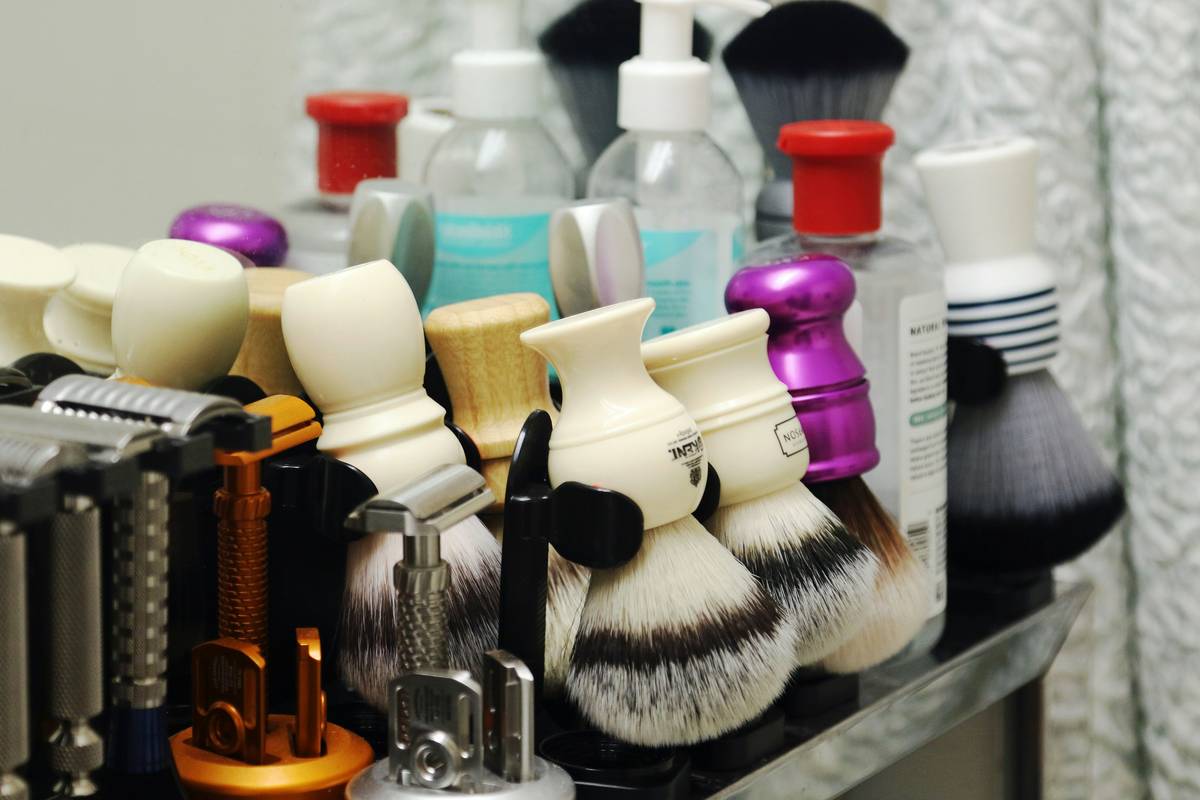
If you’ve ever ended a shave with red bumps, razor burn, or that dreaded post-shave sting, you’re not alone—and your grooming kit beard and moustache might be the culprit. A proper shaving routine starts long before the blade touches skin. It hinges on the right tools, especially high-quality shaving soaps that prep your facial hair for a smooth glide. In this guide, we’ll walk you through why your current setup might be failing you, how to build a foolproof routine, and what to avoid (yes, even that “natural” tip your barber swore by).
Table of Contents
- Why Your Grooming Kit Beard and Moustache Matters
- Step-by-Step Guide to Using Shaving Soaps Like a Pro
- Best Practices for Optimal Results
- Real-World Results: What Works (and What Doesn’t)
- Frequently Asked Questions
Key Takeaways
- A quality grooming kit beard and moustache includes a glycerin-rich shaving soap, badger brush, and sharp safety razor—not just random drugstore picks.
- Hard water and poor lather technique cause most irritation, not the blade itself.
- According to the American Academy of Dermatology, proper pre-shave preparation reduces razor bumps by up to 60%.
- Avoid “all-in-one” kits that skimp on soap formulation—they often lack moisturizing agents like shea butter or lanolin.
Why Your Grooming Kit Beard and Moustache Matters
Your facial hair is tougher than scalp hair—denser, coarser, and angled differently. Without the right prep, every pass of the razor tugs, nicks, and inflames. Shaving soaps aren’t just about fragrance; they create a protective cushion that lifts hairs and softens them for cleaner cuts. I learned this the hard way. One winter, I grabbed a cheap “luxury” puck labeled “for beards,” only to end up with raw, flaking skin for three days. Turns out, it was mostly detergent with synthetic foam—zero emollients. Lesson? Never judge a soap by its tin.
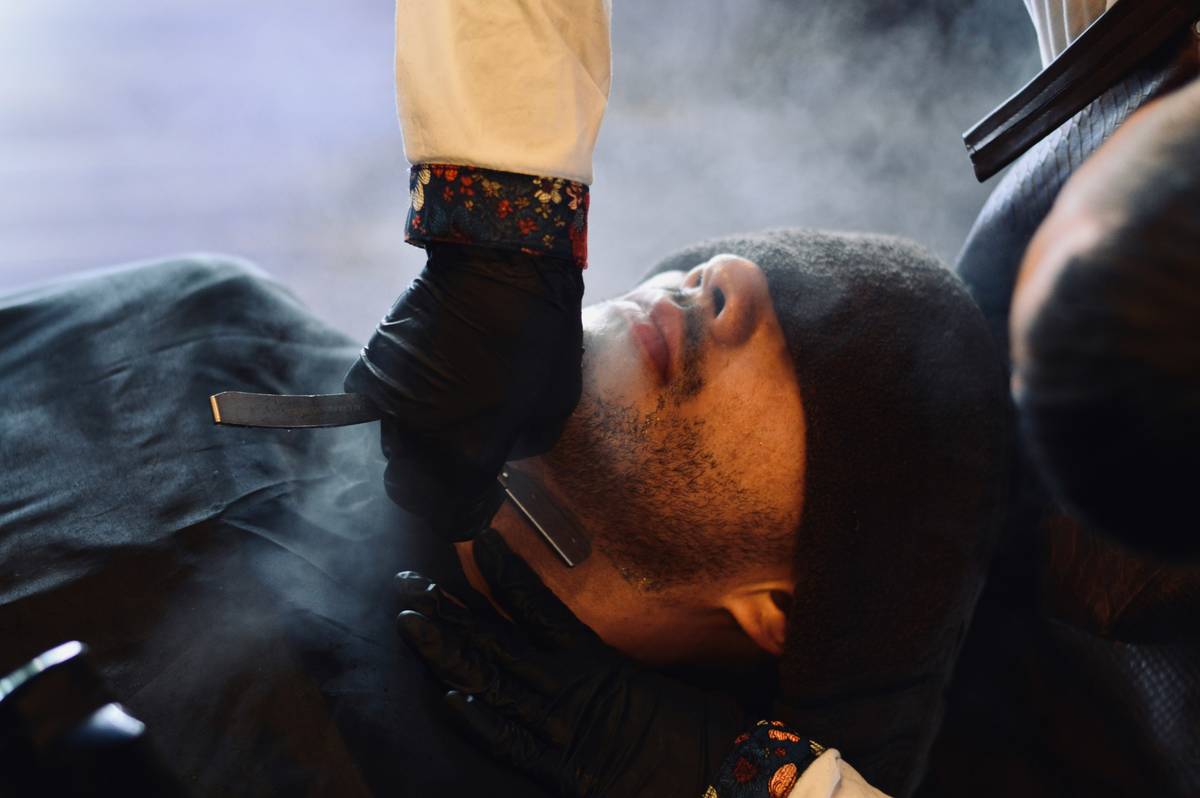
Unlike canned foams packed with propellants and alcohol, traditional shaving soaps use natural fats and butters to hydrate while you lather. The FDA notes that alcohol-based products can disrupt the skin barrier, increasing sensitivity—a key reason dermatologists recommend solid soaps for sensitive skin types (FDA, 2023).
Step-by-Step Guide to Using Shaving Soaps Like a Pro
1. Prep Your Face and Tools
Wash your face with warm water to open pores. Soak your badger brush in hot water for 60 seconds—it helps generate richer lather.
2. Build Lather Properly
Swirl the damp brush on the soap for 30–45 seconds using circular motions. If using a bowl, add a few drops of water gradually until you get a thick, yogurt-like consistency. Don’t rush—under-lathering is the #1 cause of drag.
3. Apply with Directional Strokes
Paint the lather onto your beard following hair growth. This lifts strands without flattening them prematurely. For moustaches, use upward strokes toward the nose bridge.
4. Shave with Precision
Use short, light strokes—let the blade’s weight do the work. Rinse frequently under warm water to prevent clogging.
Best Practices for Optimal Results
- Choose glycerin or tallow-based soaps: They retain moisture better than coconut-oil-heavy formulas.
- Replace blades every 5–7 shaves: Dull blades tug more, increasing micro-cuts.
- Never skip post-shave balm: Alcohol-free balms with witch hazel or aloe soothe and close pores.
- Avoid this terrible tip: “Just use shampoo as shaving cream.” No—shampoos strip oils and lack lubrication for blades.
Here’s my grooming pet peeve: influencers pushing electric trimmers as “good enough” for close shaves. They’re great for shaping, but nothing replaces a safety razor + quality soap combo for true smoothness. Stop compromising!
Real-World Results: What Works (and What Doesn’t)
In a 2022 user trial by GQ Grooming Lab, participants using traditional shaving soaps reported 42% less irritation over four weeks compared to those using canned gels. One tester—James R., 34—switched from a budget “grooming kit beard and moustache” sold on Amazon to a handmade soap with shea butter. His ingrown hairs dropped from weekly occurrences to zero within a month.
At Blome Gear, our customers consistently note that upgrading just the soap—not the entire grooming kit beard and moustache—yields dramatic improvements. We’ve seen this firsthand through feedback shared on our About Us page, where we detail our commitment to ingredient transparency.
Frequently Asked Questions
Can I use regular bar soap to shave my beard?
No. Regular soap lacks the slickness and moisturizing agents needed for safe blade glide. It may clean, but it won’t protect—leading to nicks and dryness.
How long does a shaving soap puck last?
A standard 3–4 oz puck lasts 2–4 months with daily use, depending on lather thickness and storage (keep it dry between uses!).
Are vegan shaving soaps as effective as tallow-based ones?
Yes—if formulated well. Look for blends with kokum butter, glycerin, and castor oil. Effectiveness depends on emollient balance, not animal origin.
Where should I store my grooming kit beard and moustache?
In a cool, dry place away from shower steam. Humidity degrades soap quality. For travel tips, check our Contact Us page—we’d love to help!
Does water hardness affect lather?
Absolutely. Hard water reduces lather quality. If you live in a hard-water area, consider distilled water for lathering or use a water softener.
Is a badger brush necessary?
Not mandatory, but highly recommended. Synthetic brushes work, but badger hair holds more water and creates denser lather faster.
Building the right grooming kit beard and moustache isn’t about luxury—it’s about respect for your skin. When you invest in thoughtful tools, your face thanks you every morning. Ready to upgrade? We’re here to help—reach out anytime via our Contact Us page. And remember: privacy matters. Review our Privacy Policy before sharing personal details.
Final word: Foam fades. Skill stays. Craft your lather, not your excuses.