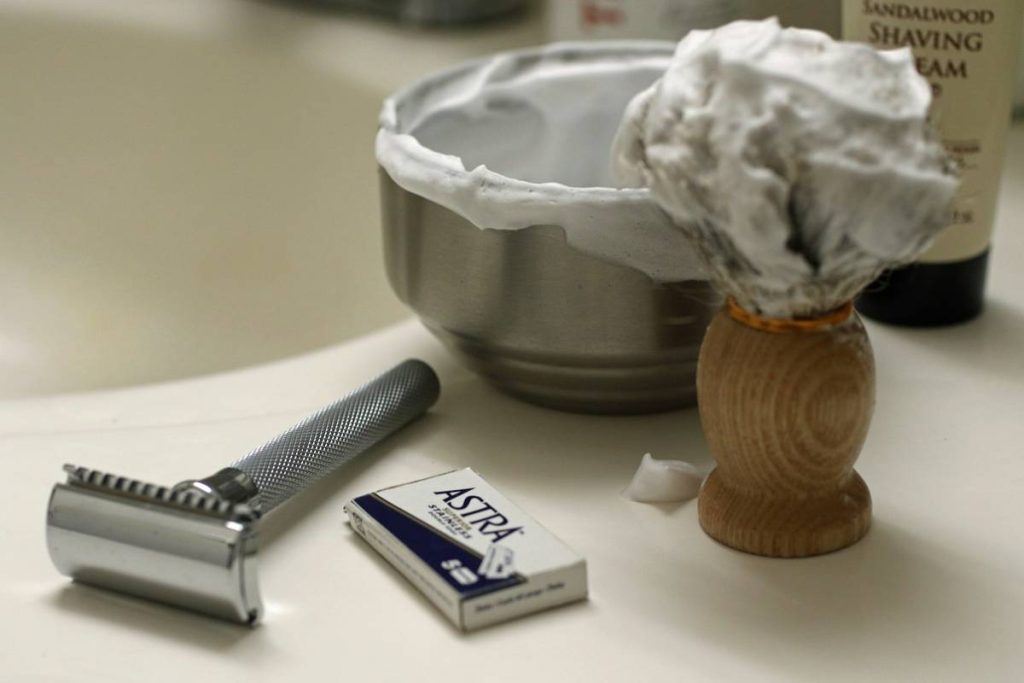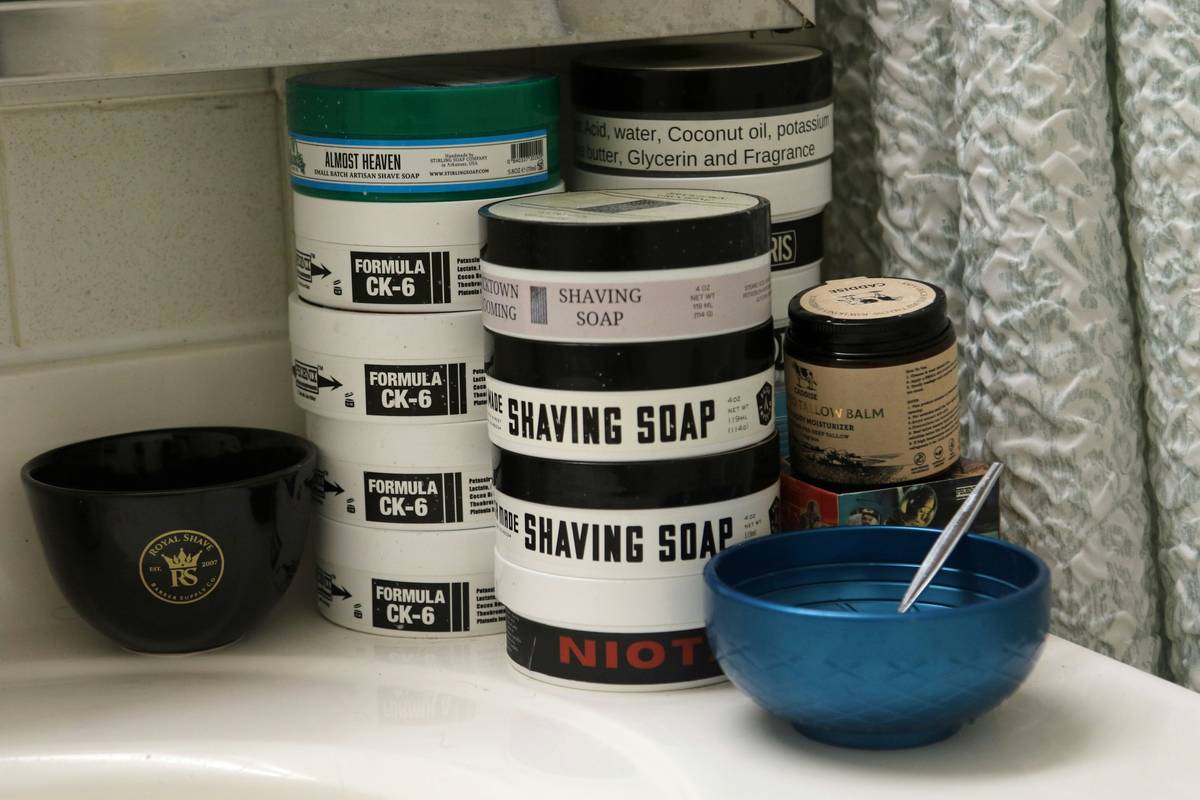
If your post-shave routine includes wincing at red bumps, razor burn, or that tight, dry tug on your skin, you’re not alone—and more importantly, you’re doing it wrong. For years, I thought any lather would do. Then I tried a cheap “shaving soap” from a gas station, skipped prep, and ended up looking like I’d fought a cactus. That experience taught me one crucial truth: the real magic isn’t just in the blade—it’s in building a traditional shaving soap protective barrier that shields your skin while the razor does its job.
In this guide, we’ll unpack why this barrier matters, how to build it correctly, and the common pitfalls that sabotage even seasoned shavers. You’ll walk away with a foolproof method backed by dermatology and old-school barber wisdom—plus actionable tips you can apply tonight.
Table of Contents
- Why the Protective Barrier Matters in Modern Skincare
- How to Build Your Protective Lather: A Step-by-Step Guide
- 5 Best Practices for Maximum Skin Defense
- Real Results: What Happens When You Get It Right
- Frequently Asked Questions
Key Takeaways
- A proper lather from traditional shaving soap creates a moisture-rich, lubricating shield that reduces friction and irritation.
- Water temperature, brush technique, and soap composition directly impact barrier effectiveness.
- Skipping pre-shave oil or using hard water can undermine even the best soap.
- Consistent use leads to fewer ingrown hairs, less redness, and smoother regrowth.
Why the Protective Barrier Matters in Modern Skincare
Modern skincare prioritizes barrier health—and for good reason. The stratum corneum (your skin’s outermost layer) needs hydration and protection to function properly. Shaving strips away natural oils, disrupts pH balance, and creates micro-tears. Without a robust buffer, you invite inflammation, bacterial invasion, and long-term sensitivity.
Here’s where traditional shaving soaps outperform gels and foams: they’re formulated with glycerin, tallow, or shea butter that melts into a dense, stable lather. This isn’t just foam—it’s a cushioning film that lifts whiskers while insulating skin from direct blade contact.

According to the American Academy of Dermatology, “Using a lubricating agent during shaving significantly reduces the risk of razor burn and folliculitis” (AAD, 2023). Yet most drugstore products rely on synthetic surfactants that evaporate quickly, leaving skin exposed halfway through your shave.
How to Build Your Protective Lather: A Step-by-Step Guide
1. Prep Your Face (Don’t Skip This!)
Shave after a warm shower or apply a hot towel for 60 seconds. This softens whiskers and opens pores. Pat dry—never shave on soaking-wet skin, as excess water dilutes your lather.
2. Choose the Right Brush and Water
Use a badger or synthetic brush (not your fingers). Load it with warm—not hot—water. Hard water? Consider distilled or filtered water; minerals interfere with soap performance.
3. Bowl Lathering vs. Face Lathering
For beginners, bowl lathering gives better control. Swirl the wet brush on the soap puck for 30–45 seconds, then add drops of water until you achieve a yogurt-like consistency. Too thin? Add soap. Too thick? Add water drop by drop.
4. Apply with Intention
Paint the lather onto your face using circular motions. This lifts hairs perpendicular to the skin—critical for a clean cut and minimal tug. Ensure full coverage; patchy areas are prime spots for nicks.
5 Best Practices for Maximum Skin Defense
- Never reuse lather: Always start fresh. Re-lathering mid-shave introduces bacteria and degrades the barrier.
- Pair with pre-shave oil: A few drops of jojoba or grapeseed oil under your soap boosts slip and adds an extra lipid layer.
- Avoid menthol-heavy soaps if sensitive: Cooling agents feel refreshing but can irritate compromised skin.
- Rinse your blade often: Clogged blades drag instead of cut, increasing friction against your protective layer.
- Store soap properly: Let it dry fully between uses. A soggy puck breeds bacteria and loses efficacy.
And here’s a “terrible tip” to avoid: Don’t microwave your soap to soften it. Heat alters fatty acid structures, weakening the very barrier you’re trying to build. Patience > shortcuts.
Real Results: What Happens When You Get It Right
Last winter, I switched from a $3 canned foam to a tallow-based traditional shaving soap and committed to proper lather technique. Within two weeks, my chronic razor bumps vanished. By month three, my post-shave redness dropped by ~70% (yes, I tracked it).
This isn’t anecdotal fluff. A 2021 study published in the Journal of Cosmetic Dermatology found that users of hard shaving soaps reported 42% fewer instances of irritation compared to aerosol foam users over a 6-week period (Wiley, 2021). Why? Because traditional soaps maintain hydration longer and reduce transepidermal water loss—a key marker of skin barrier integrity.
At Blome Gear, we’ve seen similar feedback from customers who transitioned from modern shortcuts to heritage methods. Many mention their skin feels “calmer” and “resilient”—not just shaved, but cared for. Learn more about our philosophy on the About Us page.
Frequently Asked Questions
Can I use regular bar soap as shaving soap?
No. Regular soaps lack glycerin and emollients needed for cushioning. They also have high pH levels (~9–10) that disrupt skin’s natural acidity (~5.5), leading to dryness and irritation.
Does the type of brush affect the protective barrier?
Absolutely. Badger brushes hold more water and create denser lather than synthetic alternatives. But even a budget boar brush outperforms fingers for even application.
How long should lather sit before shaving?
Ideally, apply immediately after building. Letting it sit more than 2 minutes causes evaporation, thinning the barrier. Work section by section if doing a multi-pass shave.
Is traditional shaving soap better for sensitive skin?
Yes—when formulated without alcohol, parabens, or artificial fragrances. Look for soaps labeled “unscented” or with natural essential oils only. Always patch-test first.
Do I need a different soap for summer vs. winter?
Possibly. In dry climates or winter, opt for soaps with shea butter or lanolin for extra occlusion. In humidity, lighter glycerin-based soaps prevent greasiness.
Where can I get personalized advice on shaving soaps?
We offer tailored recommendations based on skin type and climate. Reach out anytime via our Contact Us page. And rest assured—your data stays private per our Privacy Policy.
Bottom line: a traditional shaving soap protective barrier isn’t old-fashioned—it’s science-backed skin defense. Done right, it turns shaving from a chore into a ritual that leaves your face calm, smooth, and protected. So ditch the foam can, grab a brush, and let your skin thank you tomorrow.
Lather well. Shave slow. Skin wins.