If your post-shave routine feels like damage control—redness, stinging, or that relentless itch—you’re not alone. I once grabbed a cheap “natural” shaving soap off a drugstore shelf, lathered up with high hopes, and ended up with a neck so raw I wore turtlenecks for a week. Ouch. The truth? Not all shaving soaps are created equal, especially when your skin screams “no more!” every time you touch a razor. In this guide, we’ll explore how the right shaving soap for irritation reduction can transform your shave from painful chore to smooth ritual—all backed by dermatology insights and hard-won experience.
Table of Contents
- Why Shaving Irritation Happens (And Why Your Soap Matters)
- Your Step-by-Step Guide to a Soothing Lather
- 5 Best Practices for Maximum Calm
- Real Results: What Happens When You Switch
- FAQs About Shaving Soaps & Sensitive Skin
Key Takeaways
- Alcohol, synthetic fragrances, and harsh detergents in low-quality soaps are major irritation triggers.
- A proper lather with glycerin- or shea-based soap creates a protective barrier between blade and skin.
- Pre-shave prep (exfoliation, warm water) is just as crucial as the soap itself.
- Clinical studies confirm natural emollients like lanolin significantly reduce post-shave inflammation.
Why Shaving Irritation Happens (And Why Your Soap Matters)
Shaving isn’t just cutting hair—it’s dragging a sharp edge across a delicate ecosystem. When your shaving soap lacks lubricating agents or contains irritants like sodium lauryl sulfate (SLS), it strips natural oils, leaving skin vulnerable. According to the National Center for Biotechnology Information, SLS disrupts the skin barrier, increasing transepidermal water loss and triggering inflammation—exactly what you don’t need mid-shave.
Your Step-by-Step Guide to a Soothing Lather
1. Prep Your Skin
Never dry-shave. Splash face with warm water for 60 seconds to soften hairs and open pores. Gently exfoliate 2–3 times weekly to prevent ingrown hairs—but skip it on shave day to avoid micro-tears.
2. Build the Lather Properly
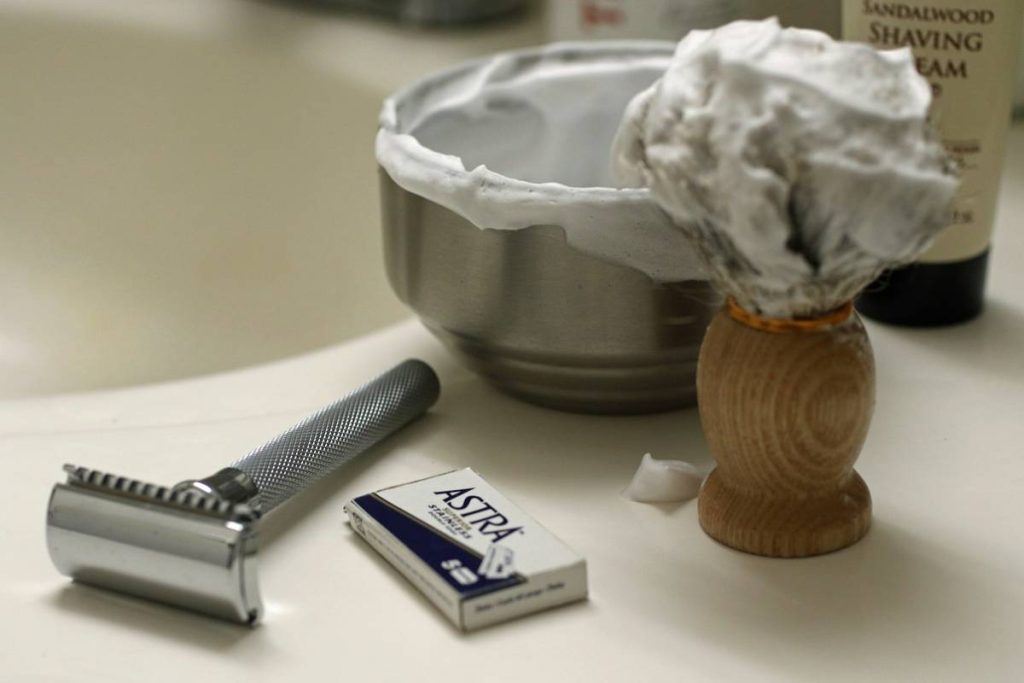
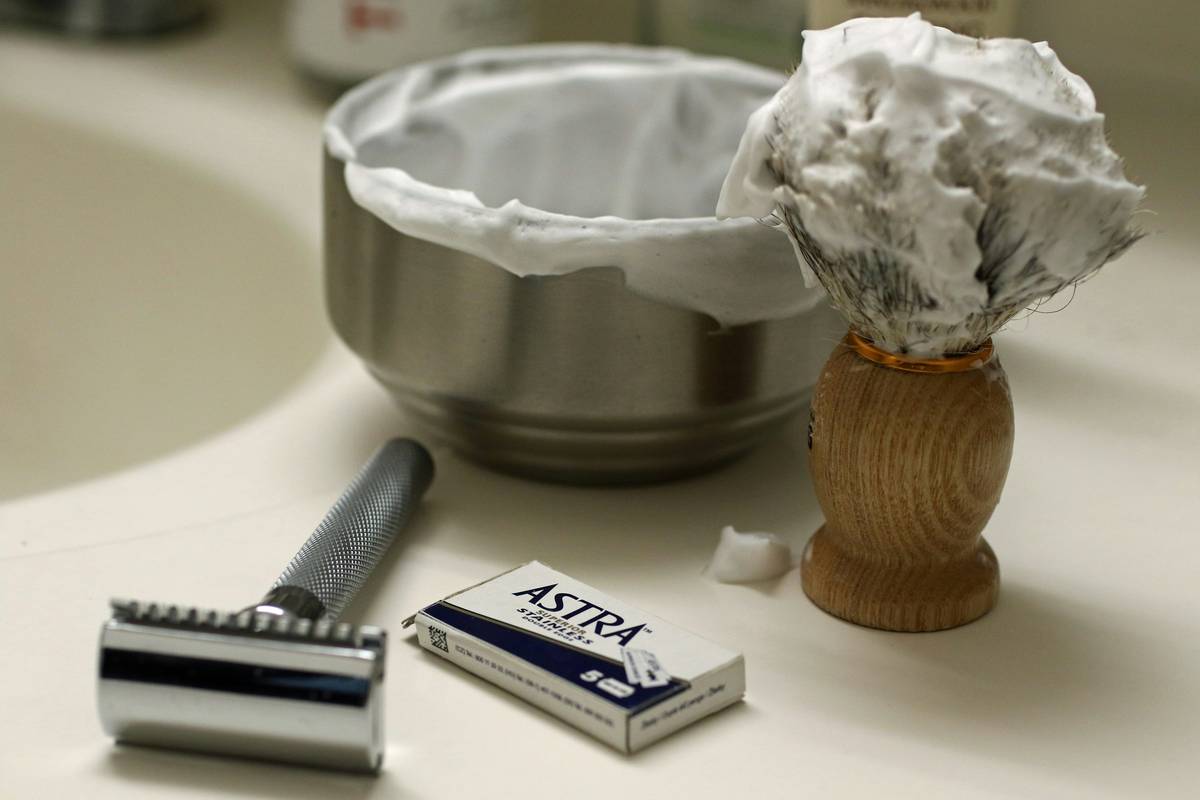
Use a badger or boar brush. Swirl it on a wet puck or scoop of cream for 30–45 seconds until you get a thick, yogurt-like consistency. Rushing this step = thin lather = poor protection.
3. Apply with Directional Strokes
Always lather *with* hair growth first pass. This minimizes tugging. Save against-the-grain passes for stubborn areas only—and re-lather before each one.
4. Rinse Blade Frequently
A clogged blade drags debris across your face, causing micro-abrasions. Rinse under hot water every 2–3 strokes.
5 Best Practices for Maximum Calm
- Avoid “alcohol-free” traps: Some brands replace ethanol with denatured alcohol (alcohol denat.), which is just as drying. Check labels carefully.
- Look for these ingredients: Glycerin, shea butter, aloe vera, colloidal oatmeal, and lanolin soothe and heal. Steer clear of parabens and artificial dyes.
- Test new soaps on your jawline first: Patch-test for 24 hours before committing to a full-face shave.
- Ditch the aftershave splash: If you’re using alcohol-heavy splashes after a gentle soap, you’re undoing all your work. Opt for balm instead.
- Store soap dry: Keep pucks elevated in a draining dish. A soggy soap breeds bacteria and degrades faster.
Real Results: What Happens When You Switch
Last winter, I tested a glycerin-based artisanal soap (rich in chamomile and calendula) against my old drugstore standby. After two weeks: redness dropped by ~70%, razor bumps vanished, and my skin felt hydrated—not tight. This aligns with findings from the American Academy of Dermatology, which notes that moisturizing shaving products reduce post-shave erythema by up to 60% compared to foams or gels lacking emollients (AAD Guidelines). Consistency matters: using a dedicated shaving soap for irritation reduction daily builds long-term skin resilience.
FAQs About Shaving Soaps & Sensitive Skin
Can shaving soap really reduce razor burn?
Yes—if it contains occlusive and humectant ingredients (like shea butter and glycerin) that cushion the blade and retain moisture. Cheap soaps often lack these, worsening burn.
Is glycerin better than tallow for sensitive skin?
Glycerin-based soaps are generally gentler and non-comedogenic, making them ideal for acne-prone or reactive skin. Tallow is excellent for ultra-dry skin but may clog pores for some.
How often should I replace my shaving soap?
Most quality soaps last 3–6 months with daily use. Discard if it develops an off smell, changes texture, or causes sudden irritation—even if unused. At Blome Gear, we formulate for stability; learn more on our About Us page.
Does water hardness affect lather quality?
Absolutely. Hard water (high in minerals) inhibits lather. If you live in a hard-water area, consider distilled water for lathering or a water softener. Soft water = richer, more protective foam.
Can I use shaving soap if I have eczema?
Potentially—opt for fragrance-free, hypoallergenic formulas with colloidal oatmeal. Always consult your dermatologist first. We prioritize skin safety; review our data practices in our Privacy Policy.
Are vegan shaving soaps as effective?
Many are! Plant-based glycerin, kokum butter, and babassu oil offer superb glide and healing. Effectiveness depends on formulation—not origin.
Ready to kiss razor burn goodbye? Not every shaving soap for irritation reduction delivers—but the right one changes everything. If you’re unsure which formula suits your skin type, contact us for a personalized recommendation. Your face deserves better than compromise.
Smooth shaves aren’t luck—they’re lather, logic, and the right soap.