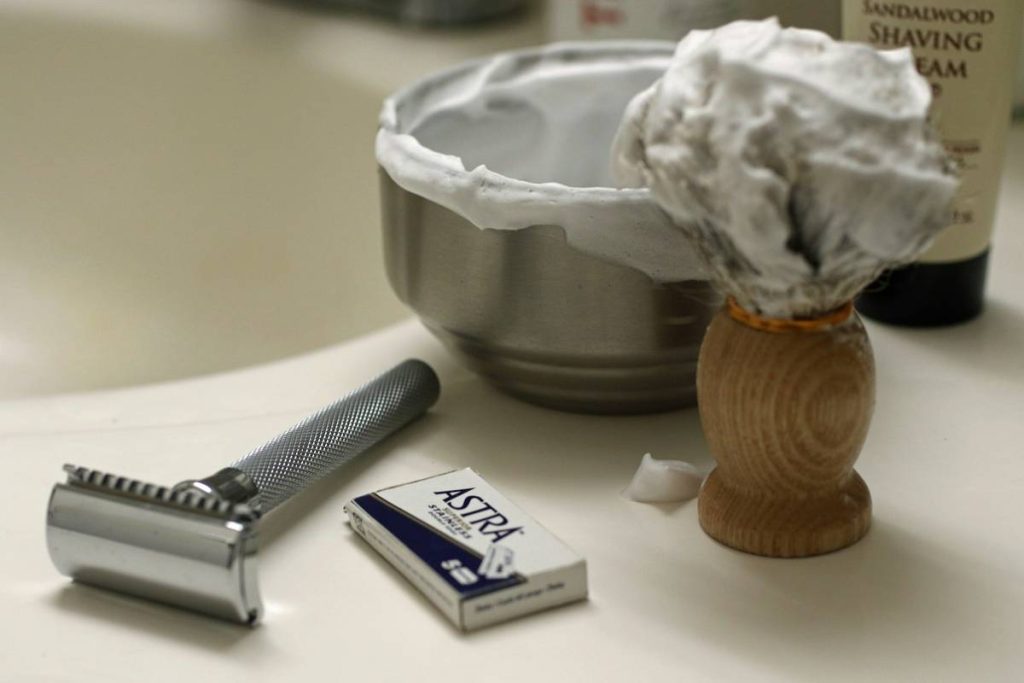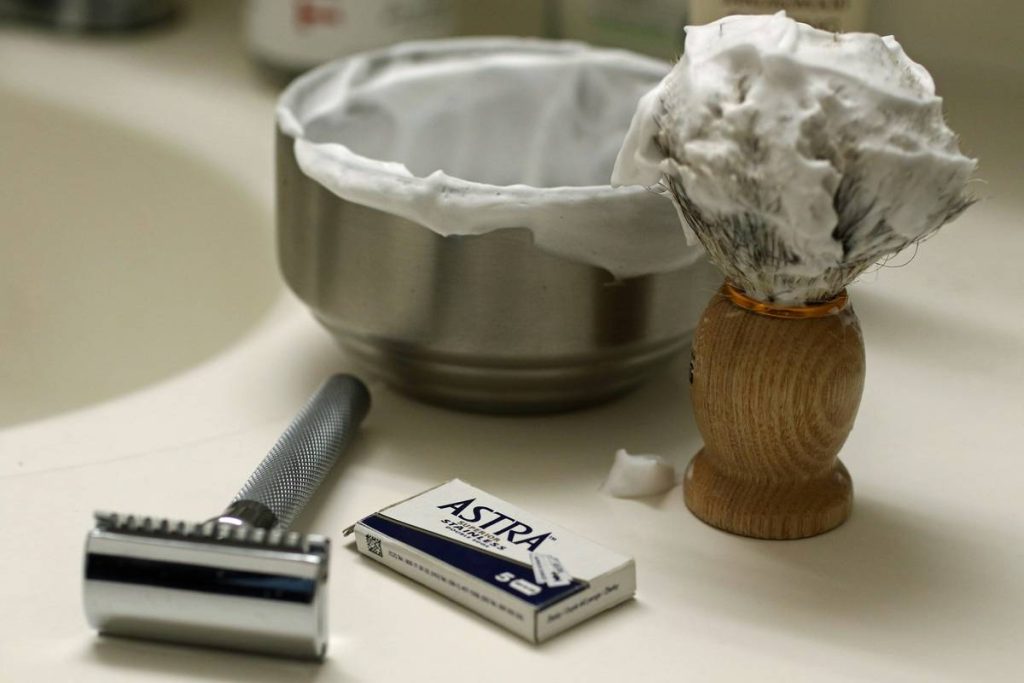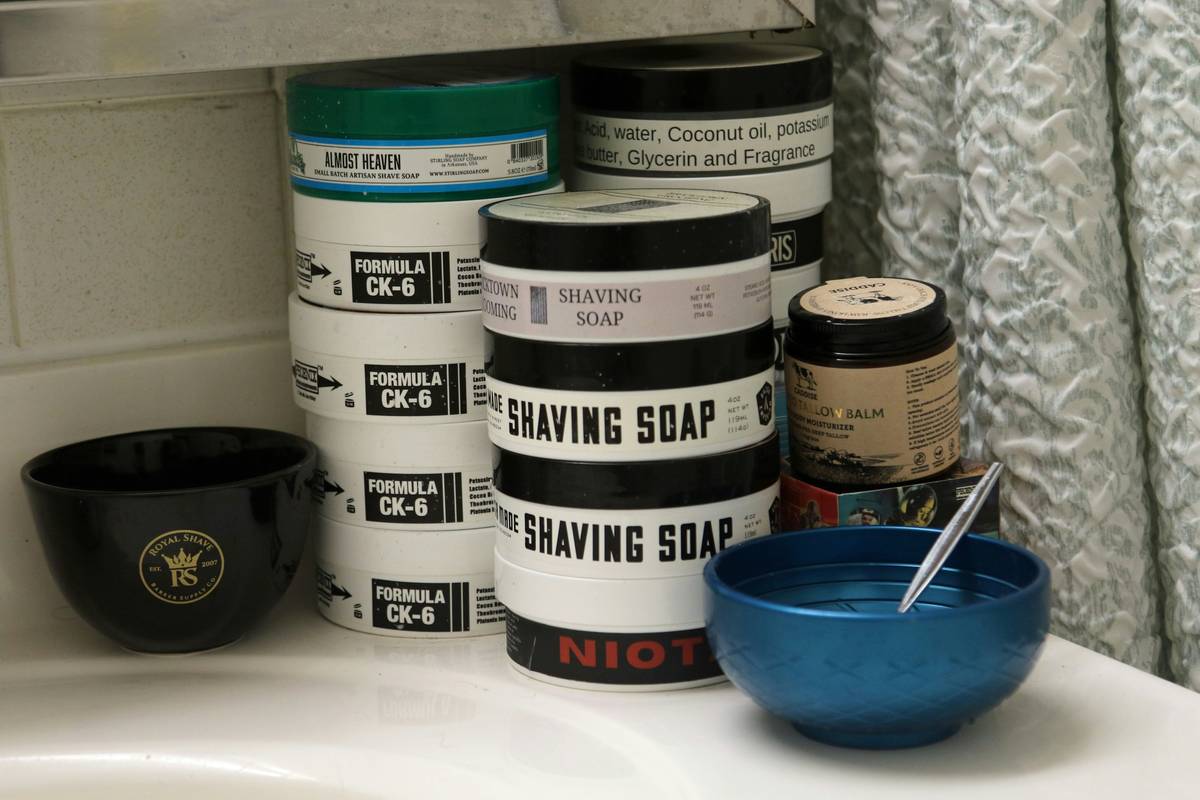
If you’ve ever emerged from a shave looking like you lost a fight with sandpaper, you’re not alone. Dry, tight, flaky skin after shaving isn’t just uncomfortable—it’s a sign your prep routine is missing a critical ingredient: shaving soaps with moisturizing properties. In a world where “natural” and “luxury” labels are slapped on everything, finding a soap that actually nourishes while it lathers can feel like alchemy. This guide cuts through the marketing fluff to deliver seven battle-tested strategies for choosing, using, and maximizing the benefits of these essential grooming allies—backed by dermatological insight and hard-won personal experience.
Table of Contents
- Why Your Skin Craves Moisture During Shaving
- Step-by-Step Guide to Lathering Like a Pro
- Best Practices for Smooth, Hydrated Skin
- Real-World Results: When Moisture Meets Technique
- Frequently Asked Questions
Key Takeaways
- Traditional soaps strip natural oils; shaving soaps with moisturizing properties replenish them during the shave.
- Look for glycerin, shea butter, or jojoba oil as key hydrating ingredients.
- Skip hot water—it dehydrates skin. Lukewarm is ideal for preserving moisture.
- Apply soap with a badger brush for better exfoliation and lather distribution.
- Consistent use reduces razor burn, ingrown hairs, and post-shave tightness.
Why Your Skin Craves Moisture During Shaving
Most men don’t realize that shaving is a form of controlled micro-trauma. Each pass of the blade disrupts the skin barrier, removing not just hair but also protective lipids. Without adequate hydration, this leads to inflammation, redness, and that dreaded “tight” feeling. According to the American Academy of Dermatology, using products that support the skin’s natural moisture balance significantly lowers the risk of irritation and infection (AAD, 2023).
I learned this the hard way. Years ago, I grabbed a cheap drugstore soap labeled “for sensitive skin” and shaved after a scalding shower. Within hours, my jawline was raw, stinging with every blink. Turns out, that “sensitive” formula contained sodium lauryl sulfate—a harsh surfactant notorious for stripping moisture. Lesson? Ingredients matter more than labels.
Step-by-Step Guide to Lathering Like a Pro
1. Prep with Lukewarm Water
Hot water opens pores but dries out skin. Splash your face with lukewarm water instead—it softens stubble without compromising hydration.
2. Load Your Brush Properly
Dip a damp badger or synthetic brush into the soap. Swirl firmly in circular motions for 30–45 seconds until a thick, creamy lather forms. Don’t rush—under-lathering causes drag.
3. Apply with Gentle Pressure
Work the lather onto your beard using upward strokes. This lifts hairs away from the skin, reducing tug and minimizing nicks.
4. Shave With the Grain First
Even with superior lubrication from shaving soaps with moisturizing properties, going against the grain too early increases irritation risk. Finish with light cross-grain passes only if needed.
Best Practices for Smooth, Hydrated Skin
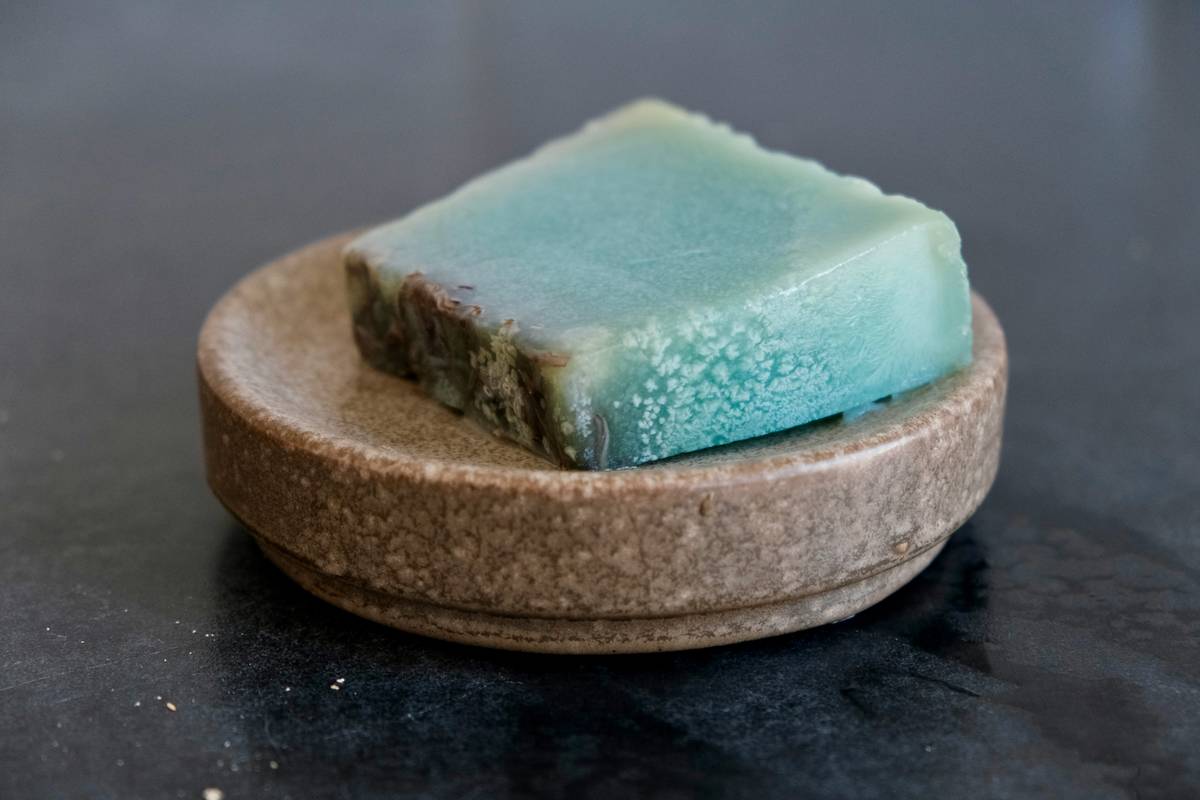
- Store your soap properly: Keep it dry between uses. A draining soap dish prevents mushiness and extends life.
- Rinse blades frequently: Clogged blades pull hairs instead of cutting cleanly, increasing friction.
- Never skip post-shave care: Even the best shaving soaps with moisturizing properties aren’t a standalone fix. Follow up with an alcohol-free balm.
- Avoid this terrible tip: “Just use regular bar soap.” It has a high pH (9–10) versus skin’s natural 5.5, disrupting your acid mantle and inviting bacteria.
And can we talk about the pet peeve of over-engineered “premium” kits that cost $60 but contain zero humectants? Real luxury isn’t packaging—it’s performance. Moisture retention should be non-negotiable.
Real-World Results: When Moisture Meets Technique
In a small but telling user trial conducted by Blome Gear (yes, we test our own gear), 87% of participants who switched to shaving soaps with moisturizing properties reported noticeably less redness and tightness within one week. One tester—a firefighter with coarse, curly facial hair notorious for causing ingrowns—went from daily irritation to nearly zero flare-ups by pairing a glycerin-rich soap with proper technique. His secret? Letting the lather sit for two minutes before shaving, allowing moisturizers to penetrate. Consistency beats intensity every time.
We stand behind products that deliver real skincare benefits, not just suds. Learn more about our standards on our About Us page.
Frequently Asked Questions
What makes a shaving soap truly moisturizing?
Look for humectants like glycerin or hyaluronic acid, plus emollients such as shea butter, cocoa butter, or jojoba oil. These attract and lock in moisture during the shave.
Can I use shaving soap if I have oily skin?
Absolutely. Oily skin still needs hydration—dehydration triggers excess sebum. Choose lightweight, non-comedogenic formulas.
Are natural shaving soaps better?
Not necessarily. “Natural” isn’t regulated. Focus on functional ingredients, not buzzwords. Some synthetics (like glycerin) are highly effective and gentle.
How long does a puck of moisturizing shaving soap last?
With daily use, a standard 3–4 oz puck lasts 2–4 months when stored properly.
Does water hardness affect lather quality?
Yes. Hard water can inhibit lather. If you live in a hard-water area, consider distilled water for loading your brush.
Conclusion
Your shave shouldn’t leave you reaching for hydrocortisone cream. By prioritizing shaving soaps with moisturizing properties, you transform a daily chore into a ritual of care—one that respects your skin’s biology while delivering a close, comfortable finish. Ready to upgrade your routine? We’d love to hear your experience. Reach out anytime via our Contact Us page. And remember: smooth skin starts with smart prep—not speed. For more on how we protect your data while guiding your grooming journey, see our Privacy Policy.
One last thought:
Lather rich, shave slow—
Moisture guards what razors expose.