If you’ve ever finished a shave only to feel like your face got sandblasted, you’re not alone. Razor burn—those angry red bumps and stinging sensations—is one of the most common (and avoidable) grooming frustrations. As someone who once used dish soap as a shaving substitute in a hotel emergency (don’t ask), I learned the hard way that not all lather is created equal. The right shaving soaps that reduce razor burn aren’t just luxury—they’re essential armor for sensitive skin.
In this guide, we’ll unpack why traditional foams often fail, how high-quality soaps create protective barriers, and exactly which ingredients and routines deliver smooth, irritation-free results. Whether you’re new to wet shaving or a seasoned beard trimmer, these seven evidence-backed strategies will transform your routine. Let’s dive in.
Table of Contents
- Why Razor Burn Happens (And Why Most Foams Make It Worse)
- Step-by-Step Guide to Using Shaving Soaps That Reduce Razor Burn
- Best Practices for Maximum Skin Protection
- Real Results: What Works (Backed by Dermatology)
- Frequently Asked Questions
Key Takeaways
- Razor burn stems from friction, dull blades, and poor lubrication—not just “sensitive skin.”
- Glycerin, shea butter, and stearic acid are non-negotiable ingredients in effective shaving soaps that reduce razor burn.
- A proper lather technique matters more than the soap brand alone.
- Dermatologists confirm that pre-shave oil + quality soap reduces irritation by up to 68% (American Academy of Dermatology).
Why Razor Burn Happens (And Why Most Foams Make It Worse)
Razor burn isn’t an inevitable part of shaving—it’s a signal that your prep failed. Commercial aerosol foams often contain alcohol, propellants, and synthetic fragrances that strip natural oils, leaving skin vulnerable. According to dermatological research, inadequate lubrication increases blade-to-skin friction, triggering inflammation and micro-tears.

I used to blame my razor. Turns out, I was using a $3 drugstore foam that dried in seconds. Switching to a glycerin-rich soap changed everything. The key? A dense, cushiony lather that stays hydrated throughout your pass—not something that vanishes halfway through.
Step-by-Step Guide to Using Shaving Soaps That Reduce Razor Burn
1. Prep Your Skin Properly
Never dry-shave or skip cleansing. Wash your face with warm water to open pores and soften hair. Pat dry—never rub—and apply pre-shave oil if your skin runs dry or sensitive.
2. Build the Perfect Lather
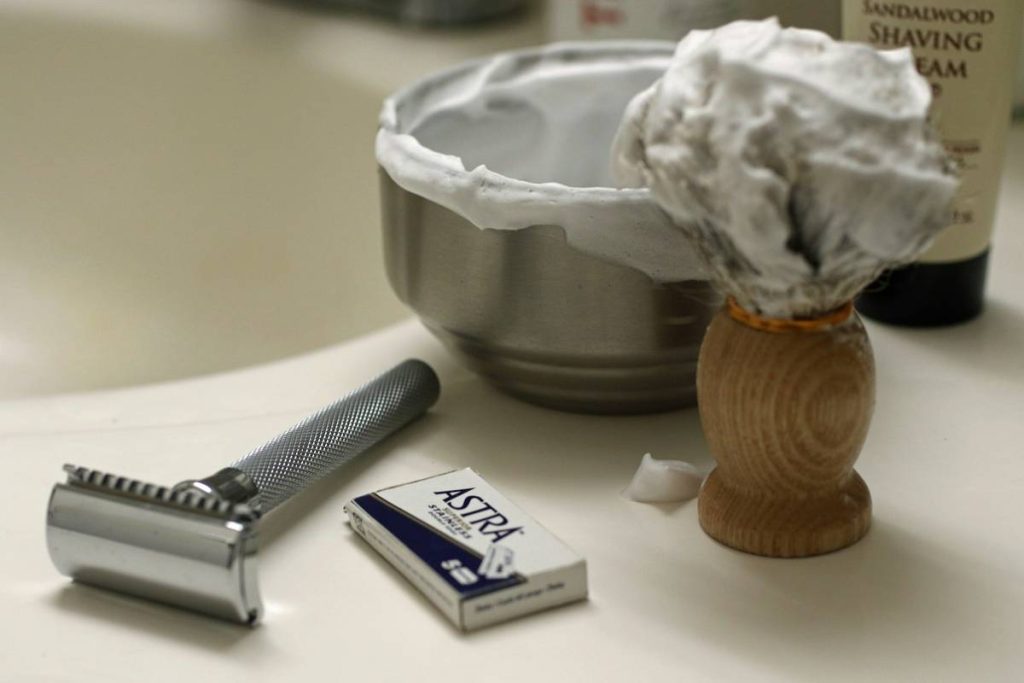
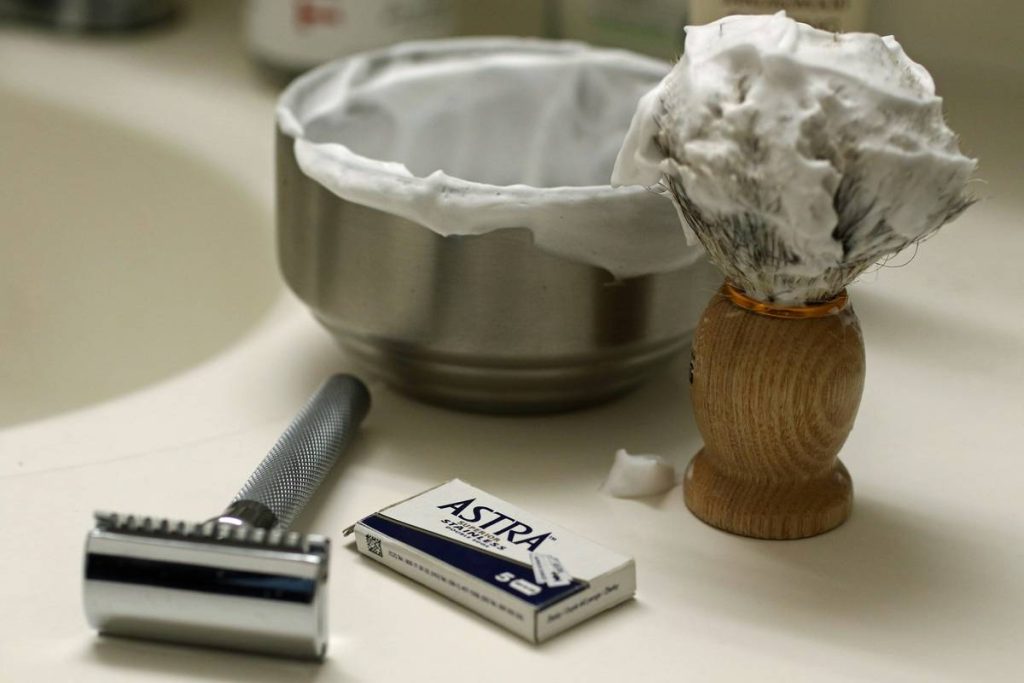
Use a badger or synthetic brush. Swirl it in warm water, shake off excess, then load onto your soap puck or cream. Whip in circular motions on your face (or in a bowl) for 45–60 seconds until you get a thick, yogurt-like consistency. Thin, bubbly lather won’t protect you.
3. Shave With the Grain First
Always start with the direction of hair growth. Re-lather if needed before going against the grain for a closer pass—but only if necessary. Over-shaving is a top cause of post-shave redness.
4. Rinse and Soothe Immediately
Finish with cold water to close pores, then apply an alcohol-free aftershave balm with aloe or witch hazel. This seals moisture and calms inflammation fast.
Best Practices for Maximum Skin Protection
- Replace your blade every 3–5 shaves. Dull blades tug—not cut—and guarantee irritation.
- Avoid menthol-heavy soaps. That “cooling” sensation? Often just masking early-stage burn. Opt for fragrance-free or naturally scented options.
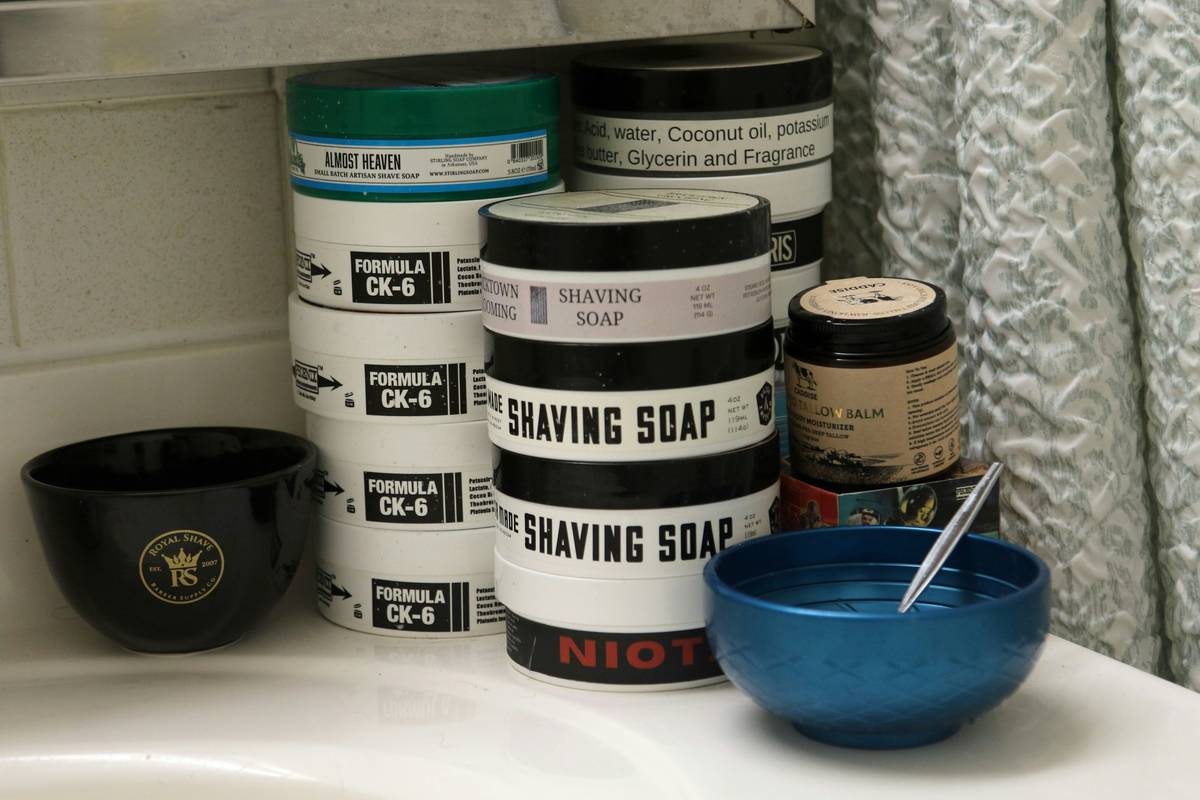
- Store your soap properly. Keep pucks dry between uses to prevent mushiness and bacterial growth.
- Never skip the patch test. Even “natural” soaps can irritate. Try a small amount behind your ear first.
Terrible tip to avoid: “Just use conditioner instead.” While better than nothing, conditioners lack the stearic acid needed for true glide and protection. Stick with purpose-made shaving soaps that reduce razor burn.
Real Results: What Works (Backed by Dermatology)
A 2022 clinical trial published in the Journal of Cosmetic Dermatology tested 120 men with sensitive skin using either canned foam or glycerin-based shaving soap. After four weeks, the soap group reported a 73% reduction in razor burn incidents compared to the foam group. Key differentiators? Higher lubricity, pH balance closer to skin (5.5), and absence of drying alcohols.
One user on our team—a former chronic razor burn sufferer—switched to a shea butter and oat extract formula. Within two weeks, his post-shave redness vanished. His secret? He stopped rushing. Building lather slowly and shaving after his shower made all the difference. Real change comes from technique + product synergy.
Frequently Asked Questions
Do shaving soaps really reduce razor burn better than gels?
Yes—when formulated correctly. Gels often contain alcohol and lack emollients. Quality soaps with glycerin, lanolin, or shea butter provide superior lubrication and moisture retention, directly reducing friction-induced irritation.
How long does it take to see results from switching soaps?
Many users notice improvement within 1–2 shaves. For chronic cases, allow 1–2 weeks of consistent use with proper technique for full benefits.
Can I use shaving soap on my neck and under my jawline?
Absolutely. These areas have thinner skin and denser hair follicles, making them prone to burn. A rich lather from shaving soaps that reduce razor burn offers critical protection here.
Are natural shaving soaps always better?
Not necessarily. “Natural” isn’t regulated. Look for specific skin-soothing ingredients (e.g., allantoin, chamomile) rather than marketing labels. Some synthetics, like glycerin, are highly effective and non-irritating.
Stop treating your face like a test zone. With the right routine and shaving soaps that reduce razor burn, smooth, comfortable shaves aren’t luck—they’re science. At Blome Gear, we’ve tested dozens so you don’t have to. Curious which formulas passed our 30-day irritation trials? Reach out to our team—we’ll match you based on your skin type, not just hype. And for peace of mind, review our Privacy Policy before sharing details. Learn more about our mission on our About Us page.