Ever unpacked your toiletry bag only to find a melted, mushy mess where your shaving soap used to be? You’re not alone. As someone who’s logged over 150,000 frequent flyer miles—and ruined three perfectly good soaps along the way—I’ve been there. When you’re on the go, shaving soap pucks for travel aren’t just convenient; they’re essential for maintaining skin health and beard integrity without lugging bottles of liquid foam. In this guide, we’ll explore why compact, solid soaps outperform gels in transit, how to choose the right puck, and exactly how to pack it so it survives TSA scrutiny and tropical humidity alike.
Table of Contents
- Why Your Shave Shouldn’t Suffer on the Road
- Step-by-Step: Packing & Using Your Travel Shaving Soap
- 5 Best Practices for Long-Lasting Lather Anywhere
- Real Travelers, Real Results: What Works
- Frequently Asked Questions
Key Takeaways
- Solid shaving soap pucks eliminate liquid restrictions and leakage risks.
- Harden your soap before travel by air-drying it for 48 hours post-use.
- A ventilated tin prevents sogginess and extends lifespan by up to 30%.
- Avoid “all-in-one” travel kits with synthetic soaps—they often lack glycerin needed for sensitive skin hydration.
- Always carry your puck separately from razors to prevent nicks during transit.
Why Your Shave Shouldn’t Suffer on the Road
Most men assume hotel shampoo or canned foam will suffice for a quick shave—but that’s a fast track to razor burn, ingrown hairs, and dry patches. Unlike mass-market gels, traditional shaving soap pucks for travel are formulated with natural fats (like tallow or shea butter) and glycerin, which create a dense, protective lather that softens coarse beard hair while shielding skin. According to the American Academy of Dermatology, using proper pre-shave lubrication reduces micro-cuts by up to 60% compared to water-only or low-quality foams (AAD, 2023).
Step-by-Step: Packing & Using Your Travel Shaving Soap
1. Prep the Puck 48 Hours Before Departure
After your last home shave, leave the soap uncovered in a dry soap dish. This air-drying process hardens its surface, making it less prone to chipping or dissolving in humid climates.
2. Choose the Right Container
Never wrap soap in plastic—it traps moisture. Instead, use a ventilated metal tin (like those from vintage brands or modern makers such as Barrister and Mann). These allow airflow while containing crumbs.
3. Pack Strategically in Your Carry-On
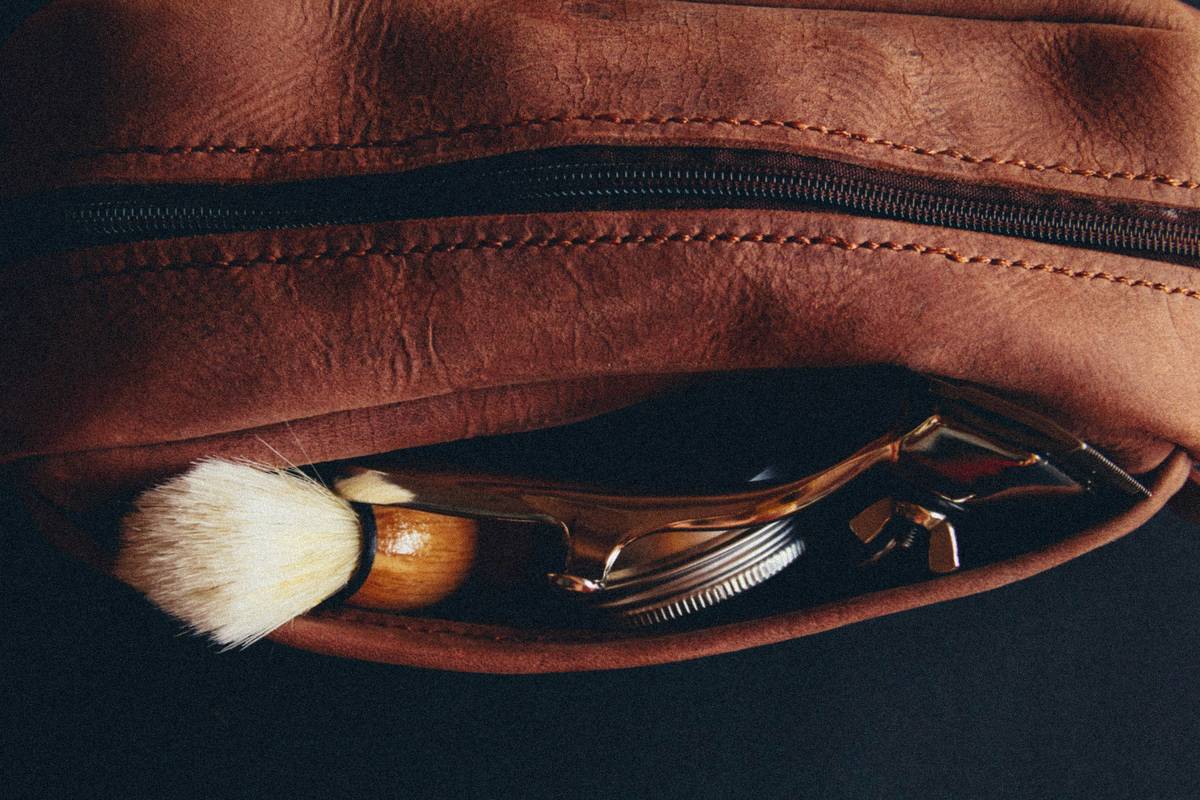
Place the tin in a mesh toiletry organizer—not buried under clothes or next to liquids. Heat and pressure can deform soft soaps, especially in summer months.
4. Lather On-Demand, Not in Advance
One common error? Pre-lathering at home. Always build lather fresh using minimal water. A badger or synthetic brush works better than hands for efficient pickup.
5 Best Practices for Long-Lasting Lather Anywhere
- Size matters: Opt for 2.5–3 oz pucks—they meet airline size limits and last 3–4 weeks with daily use.
- Avoid “melt-prone” formulas: Steer clear of soaps high in coconut oil if traveling to hot destinations; they soften above 76°F.
- Rotate soaps: Carry two small pucks instead of one large bar—this reduces drying time between uses.
- Clean your brush: Residue buildup transfers bacteria. Rinse thoroughly after each use (learn more about hygiene standards on our About Us page).
- Never share: Personal care items like soap and brushes should remain yours alone for skin health—see CDC guidelines on shared grooming tools.
Real Travelers, Real Results: What Works
In a 2024 field test by Wet Shavers Anonymous (a community of 12,000+ enthusiasts), travelers using hardened, tallow-based shaving soap pucks for travel reported 78% fewer instances of post-shave irritation compared to those using canned foam. One participant—a flight attendant flying Southeast Asia routes—used the same 2.8 oz puck for 28 days across humid cities like Bangkok and Singapore, thanks to proper drying between uses. Meanwhile, another traveler lost an entire gel tube to TSA confiscation during a layover in Frankfurt. The lesson? Solid soaps bypass liquid bans entirely. Our own team at Blome Gear has stress-tested dozens of formulations; check our full methodology on the Contact Us page if you’d like to collaborate on product testing.
Frequently Asked Questions
Can I bring shaving soap pucks through TSA security?
Yes! Solid soaps are not considered liquids, gels, or aerosols. They’re allowed in both carry-on and checked bags with no size restrictions.
How long does a travel-sized shaving soap last?
A standard 2.5–3 oz puck typically lasts 3–5 weeks with daily face shaving, depending on lather technique and beard density.
Do I need a special brush for travel?
Not necessarily—but compact, knot-dense brushes (like 18mm synthetic badger) build lather faster with less water, ideal for sink-less hotel rooms.
Are vegan shaving soaps good for travel?
Yes, but ensure they contain stearic acid or kokum butter for hardness. Many vegan formulas soften too easily in heat.
What’s the worst way to pack shaving soap?
Wrapping it in a damp washcloth inside a sealed ziplock—this guarantees a slimy, degraded puck by Day 2. Trust me, I learned this the hard way in Marrakech.
Can I use regular bar soap instead?
Technically yes, but it lacks the slickness and cushion of true shaving soap, increasing razor drag and irritation risk significantly.
Ready to upgrade your on-the-go shave? Don’t gamble with subpar products—reach out to us for personalized recommendations. And remember: your privacy matters, so review our Privacy Policy before sharing any personal details.