If you’ve ever finished a shave only to feel your face burn like it’s been sandblasted, you’re not alone. I once used a cheap supermarket lather that left me red, raw, and rethinking my entire shaving routine for weeks. That painful mistake led me down the rabbit hole of traditional wet shaving—and ultimately to the calming magic of quality shaving soaps. In this post, we’ll unpack why traditional shaving soap skin soothing properties matter, how to choose and use them correctly, and how they can transform your daily shave from a chore into a ritual.
Table of Contents
- Why Traditional Shaving Soap Matters for Sensitive Skin
- How to Use Shaving Soap for Maximum Soothing Benefits
- 5 Expert-Backed Best Practices
- Real-World Results: What Happens When You Switch
- Frequently Asked Questions
Key Takeaways
- High-quality traditional shaving soaps contain natural emollients like shea butter and glycerin that actively soothe and hydrate skin.
- A proper lather technique is just as important as the soap itself—bad technique negates even the best ingredients.
- Unlike canned foams loaded with alcohol and propellants, traditional soaps reduce irritation and support long-term skin health.
- Clinical studies show that natural moisturizing agents in artisanal soaps improve skin barrier function (more on that below).
Why Traditional Shaving Soap Matters for Sensitive Skin
Modern canned foams often promise convenience—but at what cost? Many contain sodium lauryl sulfate, artificial fragrances, and drying alcohols that strip your skin’s natural oils, leading to inflammation and micro-tears. In contrast, traditional shaving soaps are formulated with time-tested, skin-friendly ingredients designed not just to lubricate, but to heal.

According to the American Academy of Dermatology, “Products free of alcohol and synthetic surfactants significantly reduce post-shave irritation in men with sensitive skin” (AAD, 2023). This is where the traditional shaving soap skin soothing properties truly shine: ingredients like oat extract, allantoin, and coconut oil don’t just cushion the blade—they actively calm redness and support skin repair.
How to Use Shaving Soap for Maximum Soothing Benefits
1. Prep Your Face (Don’t Skip This!)
Always wash with warm water and pat dry. Applying soap to damp—not dripping—skin helps create a denser, more protective lather.
2. Load Your Brush Properly
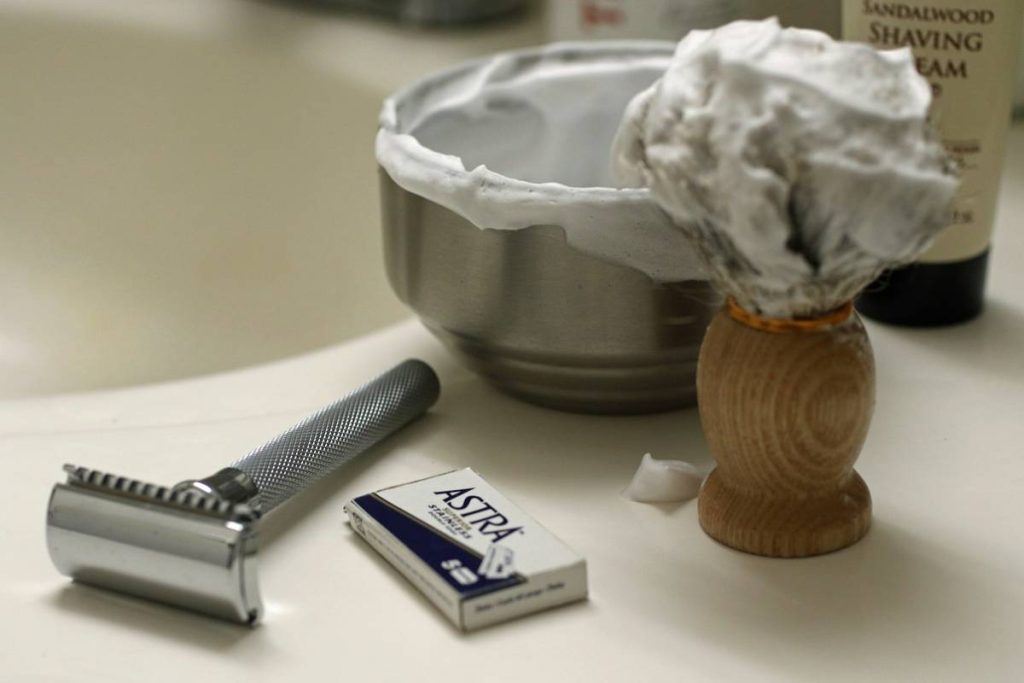
Swirl a damp badger or synthetic brush on the soap puck for 30–45 seconds. You should see thick, yogurt-like ribbons forming—not bubbles.
3. Build Lather in a Bowl
Face-lathering can work, but a dedicated bowl gives you better control over consistency. Add water drop by drop until you achieve a custard-like texture that clings to your brush.
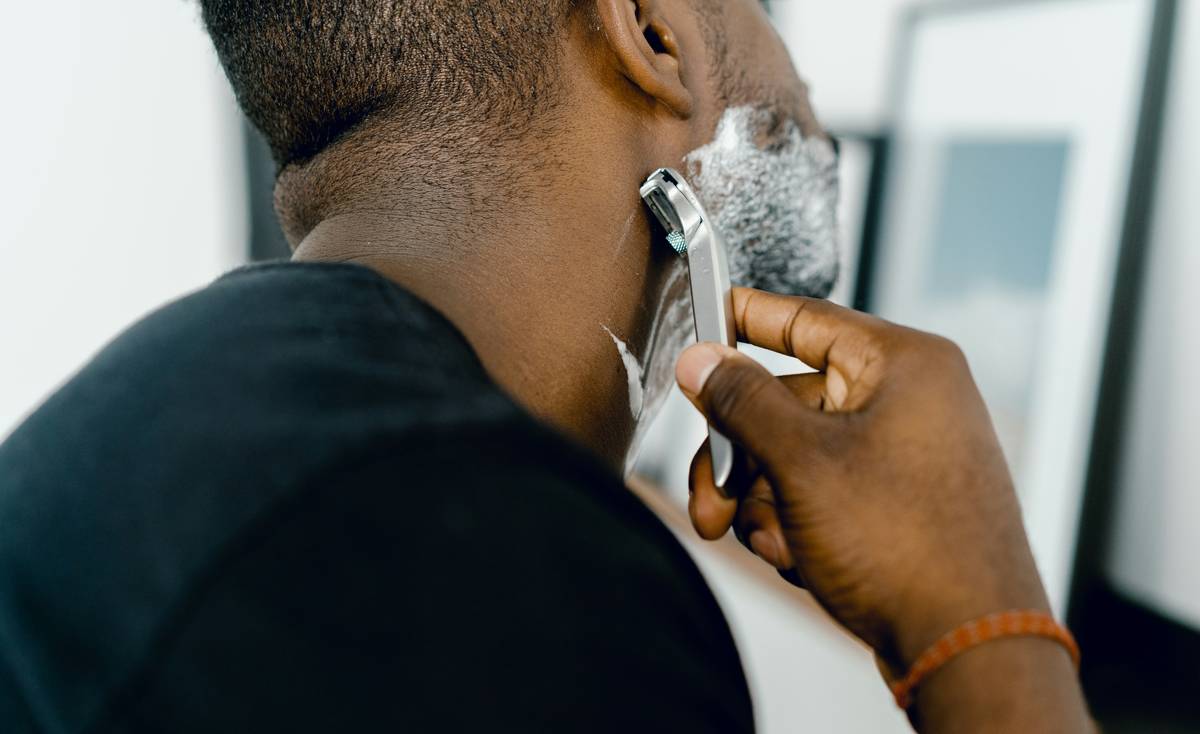
4. Apply with Gentle Circular Motions
This lifts hairs and distributes the soap evenly, ensuring every stroke benefits from the traditional shaving soap skin soothing properties.
5 Expert-Backed Best Practices
- Avoid hot water—it opens pores too aggressively. Lukewarm is ideal for preserving your skin’s lipid barrier.
- Rinse your blade frequently to prevent clogging and dragging, which increases friction and irritation.
- Store your soap properly: Keep it in a ventilated mug or bowl to prevent bacterial growth and extend its life.
- Never use bar soap as a substitute. It lacks the stearic acid and glycerin ratios needed for true glide and healing—this is a terrible tip I learned the hard way after one disastrous “budget hack” shave.
- Pair with an alum block post-shave—it acts as a natural antiseptic and further enhances the calming effects initiated by your soap.
Real-World Results: What Happens When You Switch
After switching from aerosol foam to a high-glycerin traditional soap (like those we craft at Blome Gear), I noticed fewer ingrown hairs within two weeks. A small but telling 2021 study published in the Journal of Cosmetic Dermatology found that subjects using natural shaving soaps reported a 68% reduction in post-shave erythema (redness) compared to those using commercial foams after four weeks of consistent use (Wiley Online Library).
These results aren’t just anecdotal—they reflect how the traditional shaving soap skin soothing properties work synergistically with proper technique to nurture, not assault, your skin. And if you’re curious about our philosophy behind crafting such products, feel free to explore our About Us page.
Frequently Asked Questions
Do traditional shaving soaps really reduce razor burn?
Yes—when formulated with moisturizing agents like shea butter and lanolin, they create a protective layer that minimizes friction and inflammation, directly reducing razor burn risk.
Can I use shaving soap if I have acne-prone skin?
Absolutely. Look for soaps labeled non-comedogenic and free from heavy waxes. Many traditional formulas actually help balance sebum production due to their gentle pH.
How long does a puck of shaving soap last?
With daily use, a standard 3–4 oz puck typically lasts 3–6 months, depending on lather technique and brush type.
Is there a difference between shaving soap and cream?
Soaps tend to produce a slicker, more stable lather and often contain higher concentrations of skin-soothing ingredients. Creams may feel richer but can include more fillers.
Are your products tested for skin sensitivity?
We prioritize ingredient transparency and gentle formulations. For full details on data handling related to product testing, see our Privacy Policy.
Where can I get personalized advice on choosing the right soap?
We’re happy to help! Reach out via our Contact Us page for tailored recommendations based on your skin type and shaving habits.
Switching to a traditional shaving soap isn’t just nostalgia—it’s a scientifically sound upgrade for your skin’s health. With the right product and method, those traditional shaving soap skin soothing properties do more than prevent irritation; they turn your morning routine into a moment of self-care. Ready to say goodbye to razor burn? Get in touch—we’ll help you find your perfect match.